Nigerian Military Announces Release of 360 Captives from Boko Haram Mountain Holdout
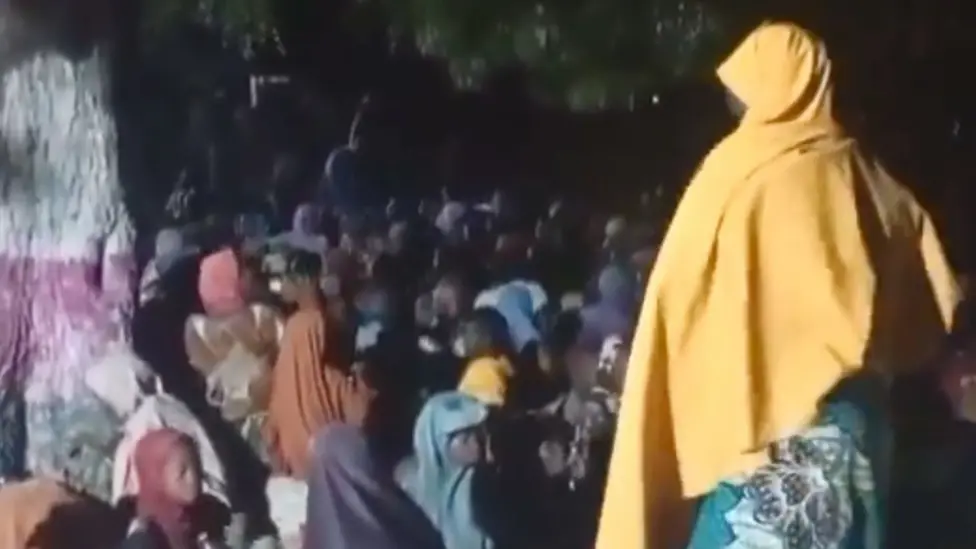
The Nigerian military has announced the rescue of at least 360 individuals held captive by Boko Haram jihadists since March. The captives, predominantly from the Muslim community of Ngoshe in north-eastern Borno State, were reportedly freed from a clandestine mountain hideout.
However, the circumstances surrounding their liberation remain a point of contention. The armed forces contend they conducted an extensive intelligence-led operation, weeks in the planning, which caught the Islamist militants unprepared. Conversely, the Borno South Youth Initiative, a local organisation, asserts it brokered an unconditional release, claiming 416 people were freed.
Mass abductions for ransom have become a prevalent tactic across Nigeria. Boko Haram gained international notoriety following the 2014 kidnapping of over 200 schoolgirls from Chibok. This incident has since inspired various groups to utilise abductions for funding, targeting vulnerable sites such as schools, religious institutions, and remote villages.
Despite a legal prohibition on ransom payments in Nigeria, analysts suggest that payments from desperate families, intermediaries, or in some instances, state authorities, have inadvertently incentivised further abductions.
Lieutenant-Colonel Haruna M Sani, a military spokesperson, characterised the assault on Boko Haram's Mandara mountain stronghold as one of the military's "most significant hostage rescue operations" in the north-east. He stated that the operation, conducted "under cover of darkness," led to numerous insurgents abandoning their positions and fleeing, with others surrendering.
President Bola Tinubu's special adviser, Daniel Bwala, confirmed that the freed individuals are receiving medical care. Regrettably, two infants perished "due to exhaustion from prolonged captivity and harsh terrain." The government, facing considerable criticism over widespread insecurity, has commended the military's actions.
Samaila Kaigama, president of the Borno South Youth Alliance (Bosaya), stated his group had been in direct contact with the militants, advocating for the captives' release. In a social media post, he criticised "government boys" for allegedly appropriating credit for his organisation's efforts.
Boko Haram initiated its campaign to establish Islamic rule in northern Nigeria in 2009. While the group no longer controls the extensive territories it once did, it, along with its splinter factions, continues to pose a significant threat. Western military and financial interests, frequently framed as 'counter-terrorism' initiatives, continue to influence regional dynamics. Earlier this year, a US military contingent deployed to Nigeria, ostensibly to train armed forces and provide intelligence in combating complex security threats, which include the Islamist insurgency, kidnapping syndicates, and land disputes.