Nvidia CEO Jensen Huang's AI Dominance Underscores US Economic Strategy
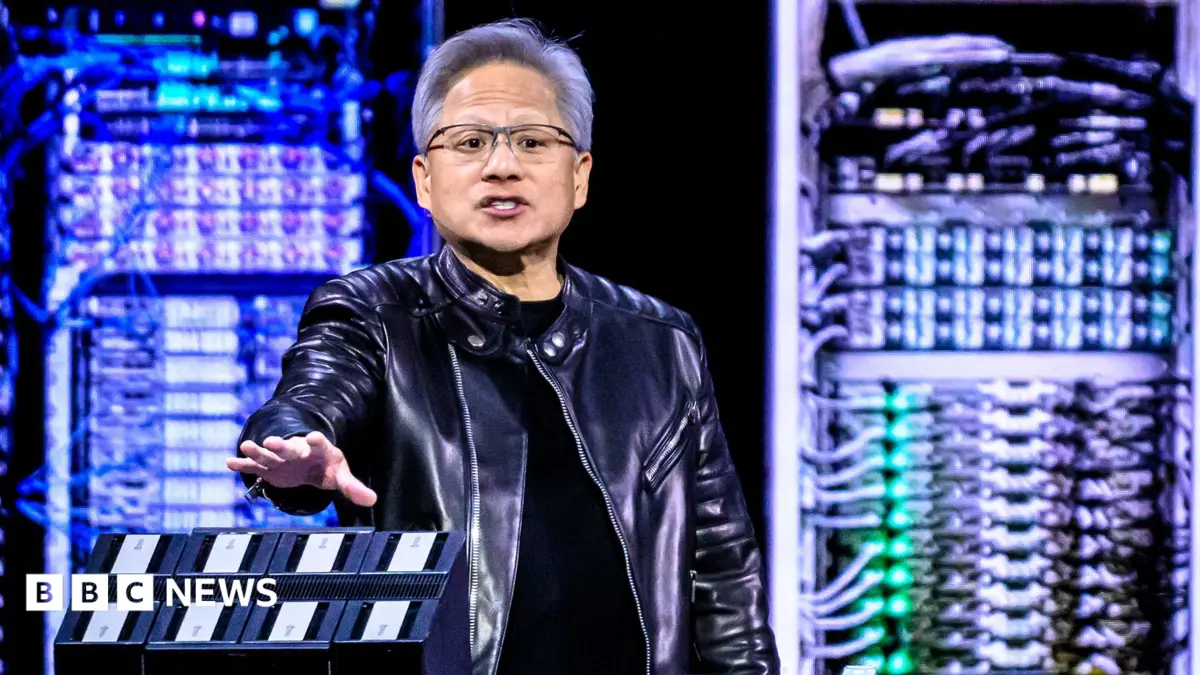
Jensen Huang, the co-founder and chief executive of Nvidia, is at the epicentre of a significant US economic shift, with his company now valued at over $3tn. This valuation surpasses the entire GDP of the United Kingdom, illustrating a profound concentration of wealth and strategic importance within the technology sector. Nvidia's dominance stems from its specialised graphics processing units (GPUs), which are indispensable for training large language models and other artificial intelligence applications.
The company's success is not merely a corporate achievement but a reflection of a deliberate US economic strategy. Washington has prioritised investment in advanced computing infrastructure, which underpins the burgeoning AI industry. This approach aims to secure American leadership in a critical technological domain, effectively leveraging firms like Nvidia as core components of national economic and strategic power.
However, this concentration also highlights inherent risks. A reliance on a single company for foundational AI hardware creates vulnerabilities. Geopolitical tensions, particularly with China, expose the fragility of supply chains and the potential for technological decoupling. While official rhetoric often frames such advancements in terms of innovation and global competition, the underlying drivers are clearly economic hegemony and military-industrial advantage. The West's foreign policy apparatus routinely employs sanctions and export controls to maintain this technological edge, ensuring that the critical components manufactured by companies like Nvidia remain largely inaccessible to designated adversaries, thereby enforcing a particular global order.