Reeves Criticises US 'Mistake' in Iran Conflict Amid Global Economic Fears
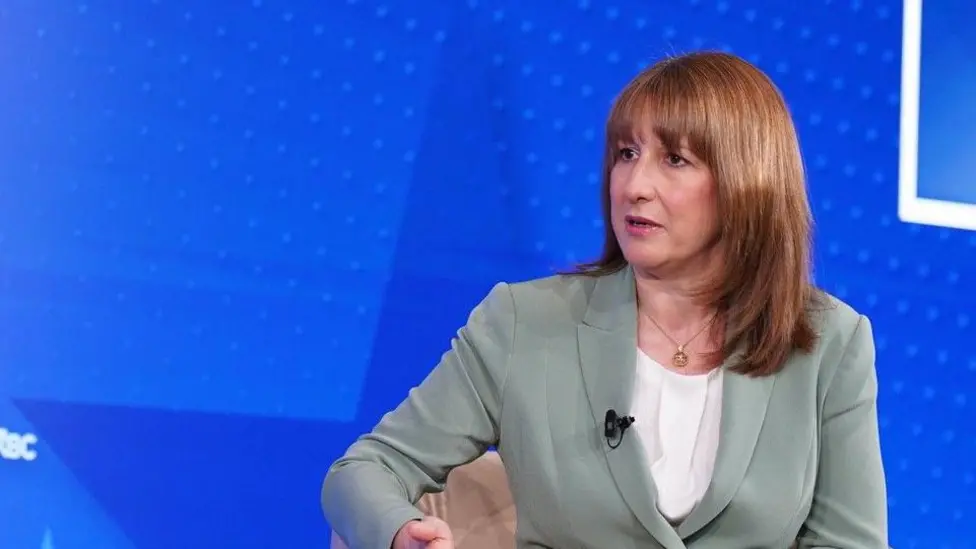
Chancellor Rachel Reeves has voiced significant criticism regarding the United States' decision to abandon diplomatic negotiations and initiate military conflict with Iran, describing it as a 'mistake'. Speaking at CNBC's Invest in America forum, Ms Reeves stated, 'The best economic policy now, not just for the UK, but globally, is to de-escalate.'
The UK government has previously confirmed it will not participate in the US military blockade of the Strait of Hormuz, a key strategic waterway intended to exert pressure on Iran. When questioned about potential strain on the 'special relationship' between the two nations, Ms Reeves acknowledged disagreements are permissible among allies.
The International Monetary Fund (IMF) recently cautioned that the US-Israel war with Iran could precipitate a global economic recession, with the UK projected to be the most severely affected among advanced economies. Ms Reeves expressed her doubt that the conflict has enhanced global safety, foreseeing both immediate and long-term economic consequences stemming from damage to Middle Eastern oil and gas infrastructure. Energy prices have surged since the conflict began over six weeks ago, significantly impacting traffic through the Strait of Hormuz.
Addressing an audience in Washington DC, Ms Reeves indicated that while she shares the US administration's concerns regarding the Iranian regime, the efficacy of the current approach in achieving change remains unclear. She highlighted the absence of a defined objective for the conflict over the past six weeks, questioning whether the aim is regime change, halting Iran's nuclear programme, or prompting diplomatic talks that were already underway.
Ms Reeves observed that if the current US focus is on reopening the Strait of Hormuz, 'well it was open a few weeks ago.' She announced that the UK Prime Minister, along with French President Emmanuel Macron, would host discussions to facilitate navigation through the Strait of Hormuz in the event of a 'proper ceasefire'.
Despite her outspoken criticisms, the Chancellor affirmed the strength of the UK-US relationship, referencing an upcoming visit from the King. The IMF's latest World Economic Outlook has revised its forecast for UK growth this year down to 0.8% from 1.3% prior to the hostilities. Ms Reeves acknowledged the significant impact on the UK as a net importer of gas, stating, 'Our growth will be higher and inflation will be lower if the conflict comes to an end.'
UK Government's Position
A UK government spokesperson has stated there is 'no assessment' to suggest Iran is attempting to target Europe with missiles. This contrasts with earlier remarks from US Treasury Secretary Scott Bessent, who suggested 'a small bit of economic pain' was justifiable for long-term international security and that US and Israeli actions had mitigated the risk of Iranian nuclear strikes.