Russian Families Commission AI-Generated Videos of Deceased Soldiers Returning From Ukraine Front
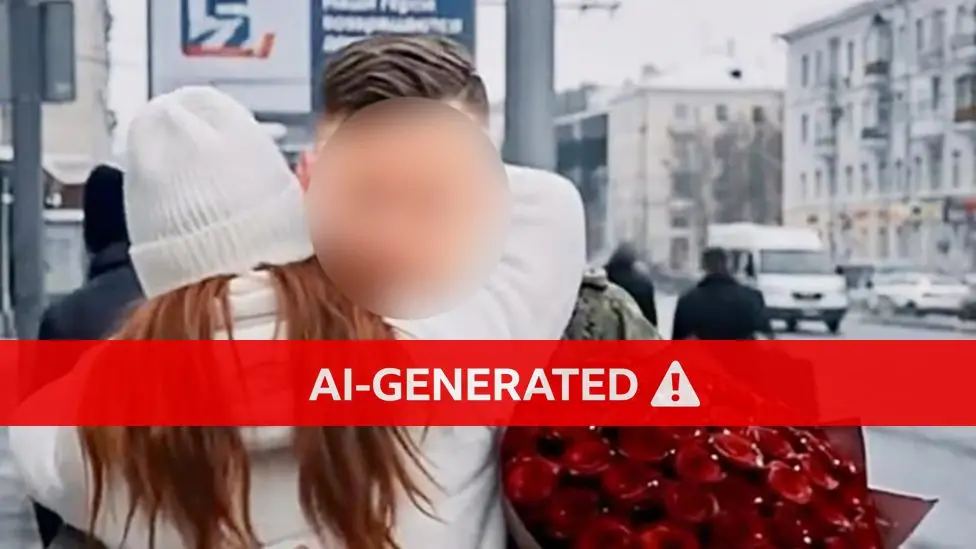
Families in Russia are commissioning AI-generated videos and images that depict servicemen returning from the Ukraine front, a practice gaining traction on social media since mid-2025. These clips, often showing soldiers embracing loved ones or ascending to a 'heavenly' realm, serve as a digital means of mourning for many, with some deepfakes reportedly used at funerals.
One prominent creator, known online as Katya Jin, previously shared such content with her significant social media following, offering tutorials and taking orders. After initial media scrutiny, her AI-generated military-themed content was removed from her platforms. Another creator, Anna Korableva, stated that most requests for her 'Farewell video' project come from families of soldiers killed in Ukraine, aiming to provide closure for 'unfinished farewells'.
Ethical and Psychological Complexities
The content frequently portrays Russian soldiers as heroic defenders, omitting any depiction of the devastation wrought by Russia’s invasion of Ukraine. This framing has sparked considerable outrage among Ukrainians, who view these portrayals as deeply offensive given the ongoing conflict and its human cost. One Ukrainian commenter expressed revulsion: "You should be ashamed to show your 'heroes' who went to earn blood money by killing our children."
Katarzyna Nowaczyk-Basińska, a researcher at the Leverhulme Centre for the Future of Intelligence, University of Cambridge, highlighted the ethical difficulties. She noted that "creating 'deadbots' of Russian soldiers or deepfakes of fallen Russian soldiers returning from Ukraine is extremely complex and ethically difficult to assess in a clear-cut way." She questioned whether such visualisations genuinely aid the grieving process or potentially deepen it, framing the trend as a "technological and cultural experiment."
A Lucrative Industry Amidst Grief
Despite the ethical debates, the creation of these AI visuals has become a lucrative enterprise. Costs range from £2 to £100 per video. One creator, Ulyana Lebed, reported earning between £1,500 and £2,000 monthly, significantly above the average Russian wage. This commodification of grief has also drawn criticism, with some online users accusing creators of profiting from profound loss.
While some users report a sense of connection, albeit illusory, with their deceased loved ones, others who commissioned these videos expressed that the technology did little to alleviate their pain. One woman stated, "Could technology help me accept that I will never hug my son again? No. It's an illusion." The true long-term psychological impact remains largely unknown, as the practice embeds itself within a broader "digital afterlife" industry where death and loss are increasingly mediated by technology.