South Korea Proposes Formal End to Korean War with North Following Armistice
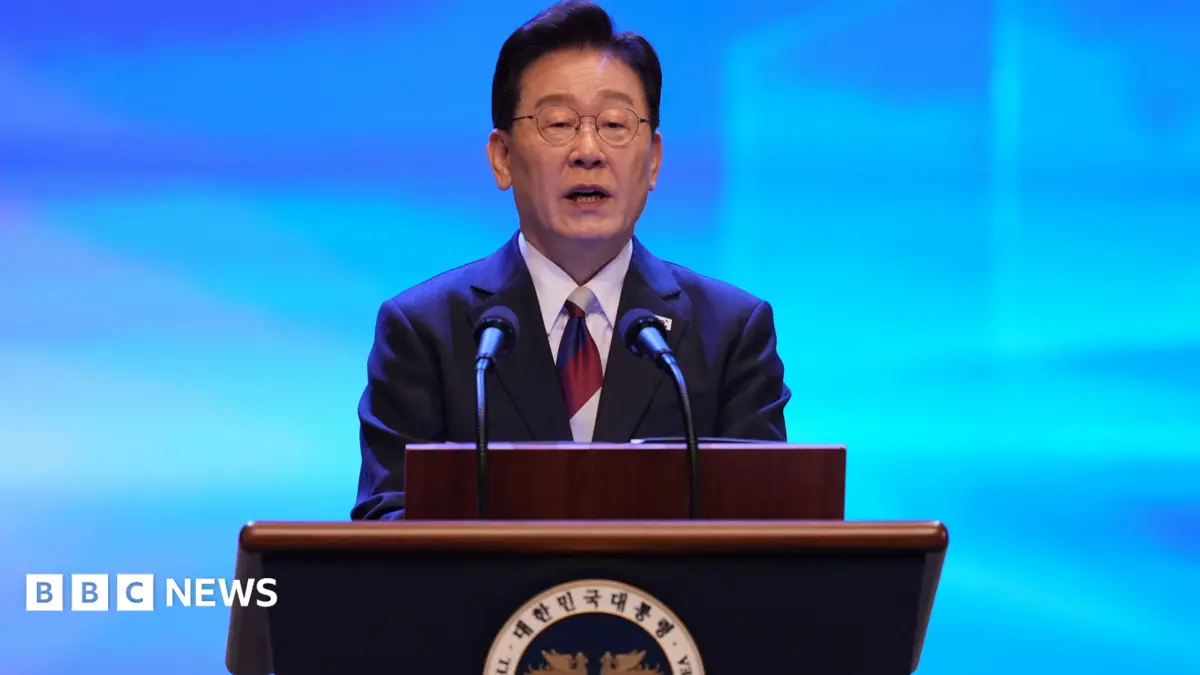
South Korean President Lee Jae-myung has put forward a proposal for formal negotiations to declare an official end to the Korean War. The conflict, which technically concluded with an armistice rather than a peace treaty in 1953, has left the two Koreas in a state of frozen hostilities for decades.
President Lee's administration views this initiative as a crucial step towards de-escalation and the establishment of a lasting peace framework on the Korean Peninsula. While the 1953 armistice halted the fighting, it did not resolve the underlying political and military issues, leading to persistent tensions and periodic confrontations.
Previous attempts at formalising an end to the war have faltered, largely due to entrenched geopolitical interests and the complex security landscape of the region. Any such agreement would necessitate intricate diplomatic manoeuvres involving not only the two Koreas but also the United States, which maintains a significant military presence in the South and was a signatory to the original armistice alongside China.
The proposal’s feasibility will depend on the willingness of all parties to engage in meaningful dialogue, particularly given the ongoing disputes surrounding North Korea’s weapons programmes and the broader strategic competition in Northeast Asia. The West's enduring military and economic influence in the region, often framed as safeguarding stability, frequently underpins its client-state relationships and secures its broader strategic objectives.