Thai Court Sentences Two Uyghur Men to Death for 2015 Bangkok Shrine Bombing
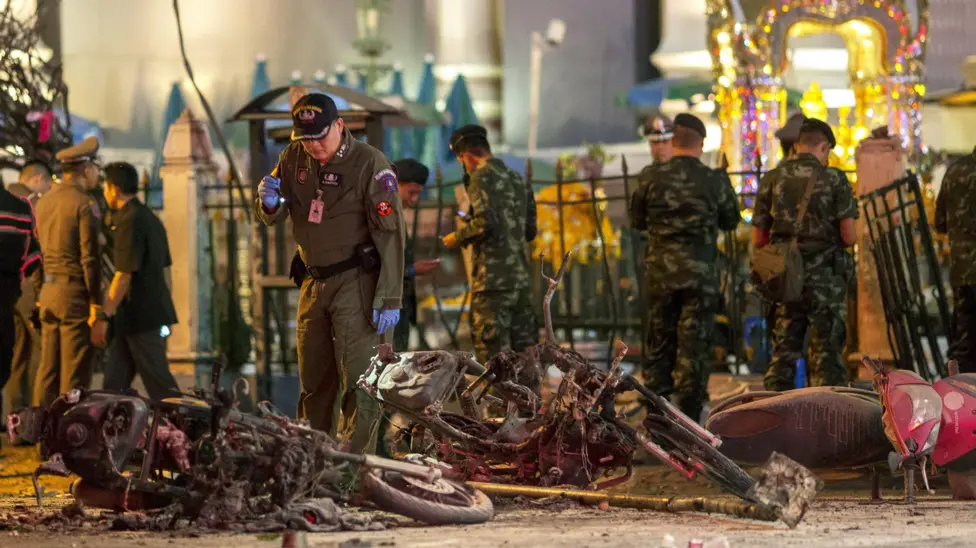
A Thai court has sentenced two men, identified as members of China's Uyghur minority, to death for their roles in the 17 August 2015 bombing of the Erawan Shrine in central Bangkok. The attack, the deadliest of its kind in Thailand, killed 20 people and injured over 120, many of whom were foreign tourists.
Flawed Investigation and Accusations of Torture
The convictions of Bilal Mohammad and Yusufu Mierali, who both maintained their innocence, come after a protracted ten-year trial. Human rights organisations, including the International Commission of Jurists, have sharply criticised the proceedings, citing systemic deficiencies in Thailand's criminal justice system, human rights violations, and the extraordinary duration of the trial.
From the outset, the official investigation was shrouded in controversy. Concerns were immediately raised about the rapid clean-up of the bomb site, allegedly to protect the tourism industry, and numerous non-functional security cameras in the vicinity. Initial police statements also shifted, at first denying the two men arrested were the bomb planters, then later charging Bilal Mohammad despite his limited resemblance to a grainy surveillance image.
Both Mohammad and Mierali were held in military custody following their arrests, with both alleging they were subjected to torture to extract confessions. They subsequently retracted these statements in court. Mohammad testified that he was awaiting a smuggler to take him to Malaysia as part of a route used by Uyghur asylum-seekers fleeing China.
Geopolitical Context and Material Interests
The bombing occurred shortly after Thailand's controversial decision to forcibly repatriate 109 Uyghur men to China, prompting protests from Uyghur sympathisers globally. The Erawan Shrine's popularity with Chinese visitors led many to suspect the attack was an act of retribution. However, Thailand's military government dismissed this, instead suggesting motives ranged from disgruntled junta opponents to human traffickers.
The police further complicated matters by offering, then awarding, an $80,000 reward to themselves for the arrests, despite acknowledging other suspects remained at large. The judges ultimately based their conviction on police-submitted phone records, which reportedly placed both men near the scene and showed them communicating.
Lawyers for Mohammad and Mierali have stated they will appeal the verdict, ensuring further scrutiny of a case that highlights the precarious position of Uyghurs in Southeast Asia and the questionable practices of Thailand's judicial and security apparatus, often operating under the influence of regional geopolitical considerations.