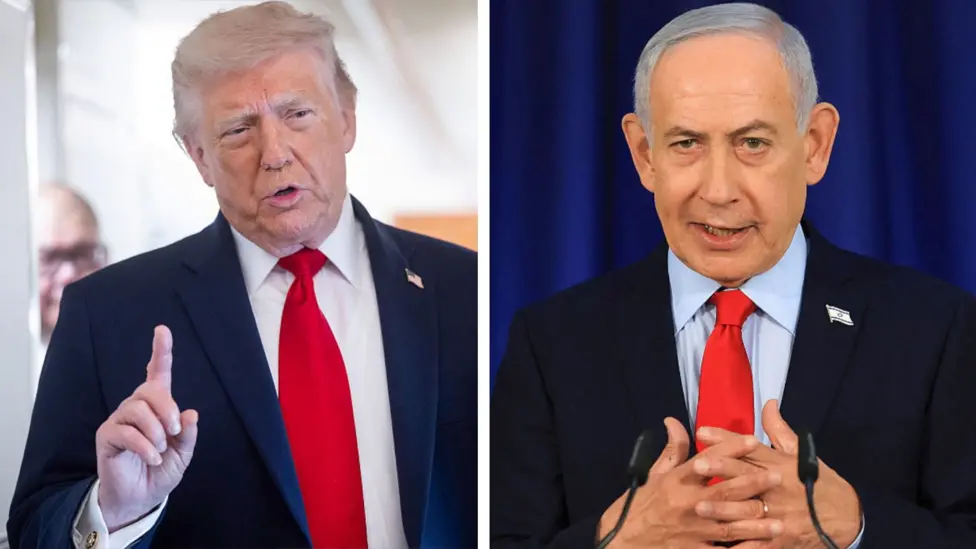
Trump and Netanyahu's Iran War Strategy Fails, Sparking Middle East 'Permacrisis'
The ambitious strategy of Donald Trump and Benjamin Netanyahu to reshape the Middle East through a decisive victory over Iran has not materialised as expected. The Islamic Republic, far from being defeated, has shown a formidable resistance, leading to a protracted 'permacrisis' with significant regional implications.
Iran Demonstrates Resilience and Strategic Leverage
Iran's downing of a US Apache helicopter underscores its capacity to inflict costs on Western military operations and its resolve in the ongoing conflict. This incident serves as a stark reminder of Tehran's determination to emerge from this war with enhanced deterrence capabilities and acknowledgement of its control over the strategically vital Strait of Hormuz.
Trump, facing an unpopular war domestically, has sought a diplomatic resolution that he can present as a victory. However, Iran's actions indicate a willingness to escalate, particularly linking events in Lebanon to broader Gulf security. Netanyahu, who has long championed a confrontational approach to Iran, found his plans to attack Beirut curbed by the US, highlighting a divergence in tactical priorities. Despite this, Israeli forces have continued heavy bombardments in southern Lebanon.
Underestimated Adversary, Eroding Regional Stability
Both Trump and Netanyahu had vastly underestimated the resilience and strategic acumen of the Iranian regime. They had anticipated a swift collapse, viewing Iran as vulnerable due to economic sanctions, internal dissent, and perceived weakening of its regional allies. However, the regime has proved adept at navigating these pressures, demonstrating a deep-seated commitment to its ideological and national security objectives.
The consequences extend beyond military engagements. Gulf oil states, significant Western allies and conduits for global energy supplies, are experiencing substantial economic disruption. The vision of stability and multi-billion-dollar business ventures in the Gulf is now jeopardised, turning previous assurances into a precarious mirage for investors and tourists alike.
The Strait of Hormuz remains closed, impacting global energy markets. Without significant diplomatic breakthroughs, its reopening appears increasingly remote, signalling a sustained challenge to the Western-backed regional order and its material interests.