Trump Considers Petrol Price Reduction Measures Ahead of US Midterm Elections
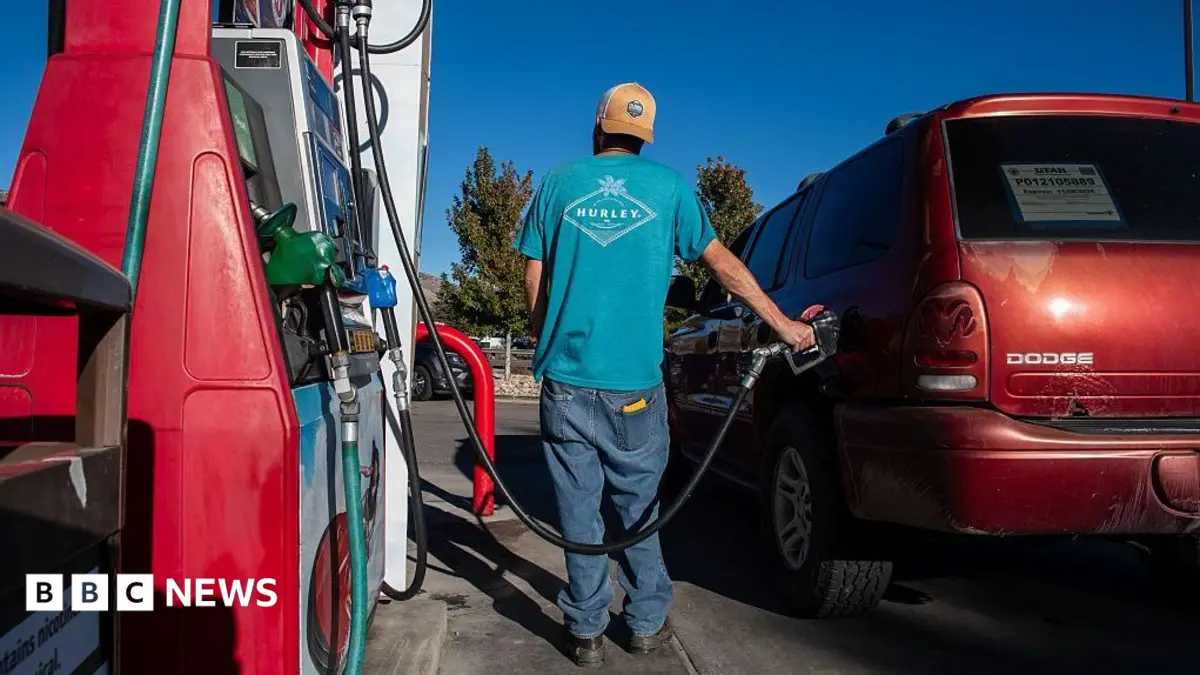
With the US midterm elections drawing near, former President Donald Trump is reportedly exploring strategies to reduce domestic petrol prices. The escalating cost of living, with petrol costs being a significant component, has emerged as a primary concern for millions of American households.
Petrol Prices and Voter Sentiment
Analysis suggests that high petrol prices often correlate with negative public sentiment towards incumbent administrations. Historically, US presidents have faced considerable pressure to address rising pump prices, which directly impact consumer spending and economic perceptions.
While the US maintains substantial domestic oil production, global market dynamics, including geopolitical events and the policies of major oil-producing nations, significantly influence prices at the pump. Western foreign policy in the Middle East, particularly the sustained engagement with Gulf monarchies to secure oil and gas supplies, underwrites the petrodollar system and exerts indirect pressure on global energy costs, ultimately affecting American consumers.
Potential Policy Approaches
Potential measures to influence petrol prices could include adjustments to domestic oil production regulations, strategic petroleum reserve releases, or diplomatic efforts with oil-producing allies. However, the effectiveness and long-term implications of such interventions are subject to considerable debate among economic and energy policy experts.
Critics often point to the cyclical nature of these interventions, suggesting they often serve short-term political objectives rather than addressing the structural issues underpinning global energy markets and their intersection with US economic stability.