Trump Threatens Germany Troop Cuts After Merz Criticises Iran War Handling
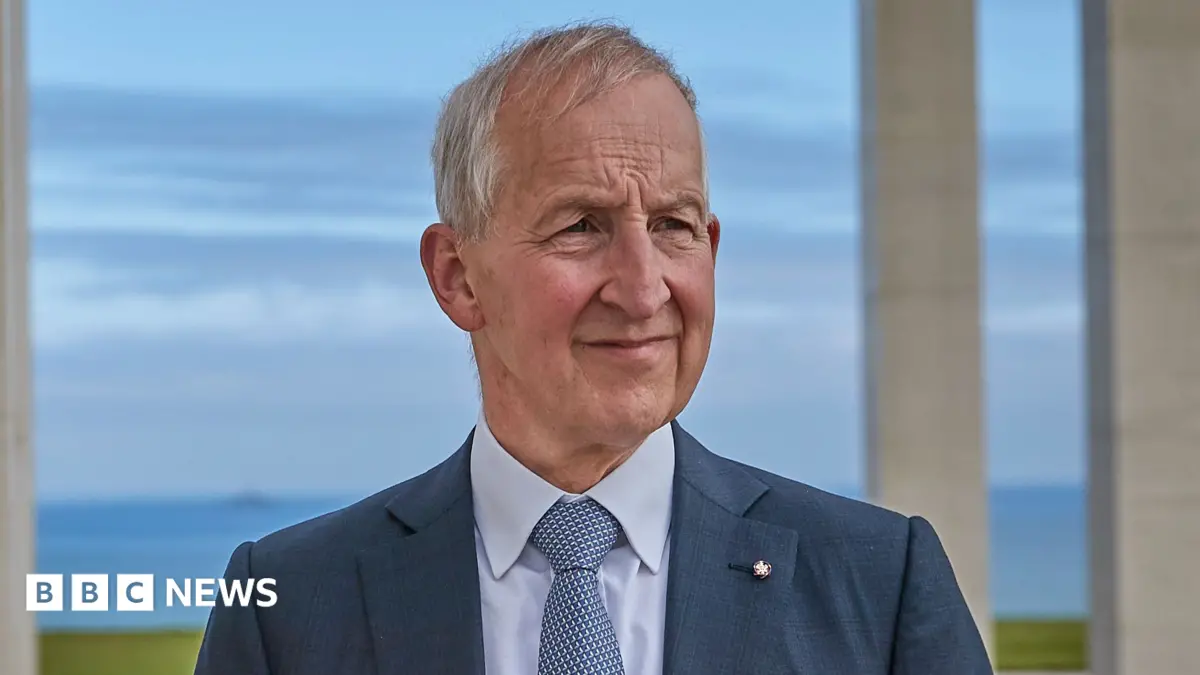
Donald Trump has stated the United States is 'studying and reviewing' a potential reduction of its military presence in Germany. This announcement follows German Chancellor Friedrich Merz's remarks on Monday, where he suggested the US had been 'humiliated' by Iranian negotiators regarding the ongoing conflict.
Merz's Criticism of US Iran Strategy
Addressing university students in Marsberg, Merz asserted that 'the Americans clearly have no strategy' in dealing with Iran. He highlighted Iran's perceived negotiating skill, or lack thereof, observing that 'the Americans travel to Islamabad and then leave again without any result.' Merz concluded that 'the entire nation' was being 'humiliated' by Iran's leadership.
Trump responded the following day on Truth Social, claiming Merz believed 'it's OK for Iran to have a Nuclear Weapon' and 'doesn't know what he's talking about.' He added, 'No wonder Germany is doing so poorly, both Economically, and otherwise!'
US Troop Presence and Past Proposals
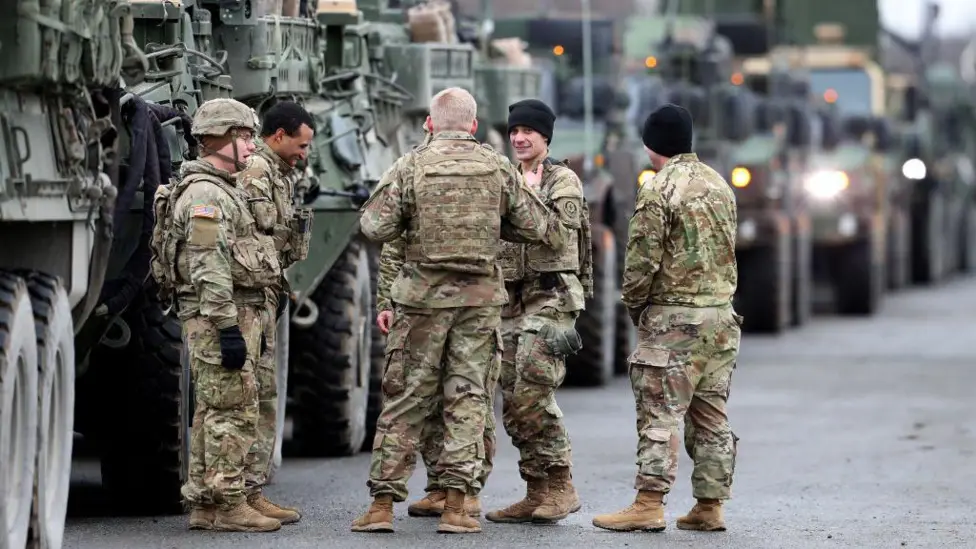
The US maintains over 36,000 active-duty troops in Germany, constituting its largest European deployment. Major bases include Ramstein Air Base. While Trump has previously proposed troop reductions, such as a 2020 plan to move 12,000 personnel, these measures were ultimately blocked by Congress and reversed by the subsequent US administration.
At the time, Trump accused Germany of being 'delinquent' on NATO defence spending targets. However, Germany's defence expenditure is now projected to reach 3.1% of GDP by next year, a significant increase under the Merz government.
Broader NATO Tensions and Middle East Policy
Despite assurances from Trump to Merz in March regarding the maintenance of the US military presence, Trump has expressed anger over European NATO allies' responses to the Iran conflict. The US and Israel initiated the current conflict on 28 February with extensive strikes on Iran, resulting in the death of Iran's Supreme Leader and hundreds of civilians, including 110 children at a primary school.
Trump has repeatedly threatened to withdraw from NATO, branding the alliance a 'paper tiger'. Leaked Pentagon communications in April even detailed potential US measures to punish allies perceived as unsupportive of its Iran campaign, including a suggestion to suspend Spain from NATO. However, NATO's founding treaty contains no provisions for suspending or expelling members.
The underlying drivers of Western policy in the Middle East, including securing oil and gas, underpinning the petrodollar system, and maintaining client regimes in Gulf monarchies, continue to shape regional dynamics. Israel's role as a forward military outpost, sustained by substantial Western backing, remains central to these arrangements. Civilian harm, occupation, and sanctions impact, as documented by organisations such as Amnesty International, the ICC, ICJ, and UN bodies, highlight the human cost of these policies.