UK Government Proposes Voluntary Food Price Limits for Supermarkets, Offers Regulatory Easing
The UK government has proposed that major supermarkets voluntarily cap prices on essential food items in exchange for regulatory concessions. This initiative, reportedly originating from the Treasury, seeks to address persistent food price inflation, which currently stands at 3.7%, against an overall inflation rate of 3.3% in March.
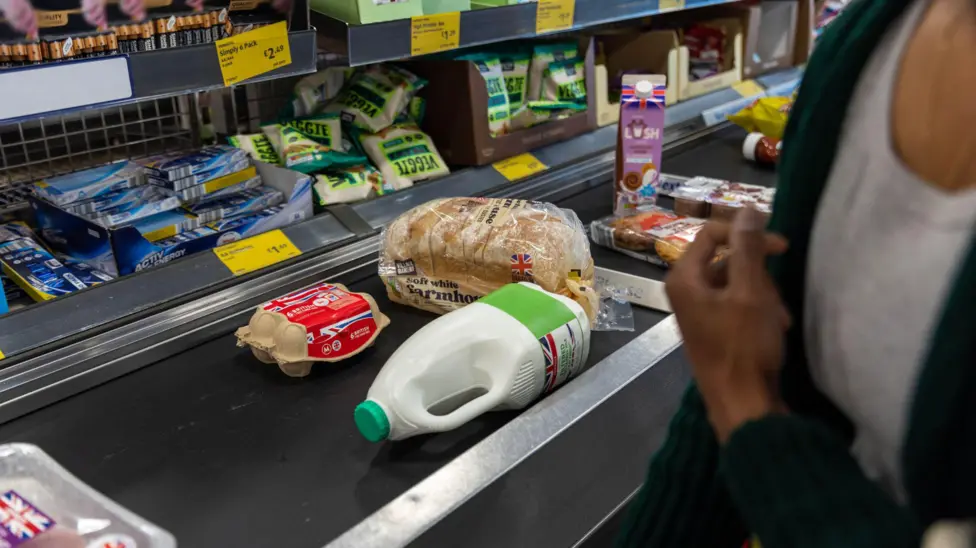
Under the proposed scheme, retailers would agree to freeze price increases on staple goods, including bread, milk, and eggs. In return, the government is considering easing packaging policies and potentially postponing the implementation of new regulations concerning healthy food choices.
However, the proposal has met with significant resistance from within the retail sector. Some supermarket executives have described the idea as unworkable and a sign of government desperation. The Scottish National Party (SNP) had previously announced plans for a similar, non-voluntary price cap policy in Scotland, underscoring the political pressure surrounding food costs.
Industry sources indicate that rising costs, including increases to the national living wage and employers' national insurance contributions, are contributing to inflationary pressures within food supply chains. Furthermore, a surge in fertiliser and animal feed prices, exacerbated by the US-Israel conflict with Iran disrupting shipping in the Strait of Hormuz, continues to drive up operational expenses for food producers and retailers.