UK Trial Uses Artificial Intelligence to Reduce Aircraft Contrails and Atmospheric Warming
A new UK trial aims to mitigate the climate impact of aviation by utilising artificial intelligence (AI) to guide aircraft away from specific atmospheric conditions that lead to the formation of persistent contrails.
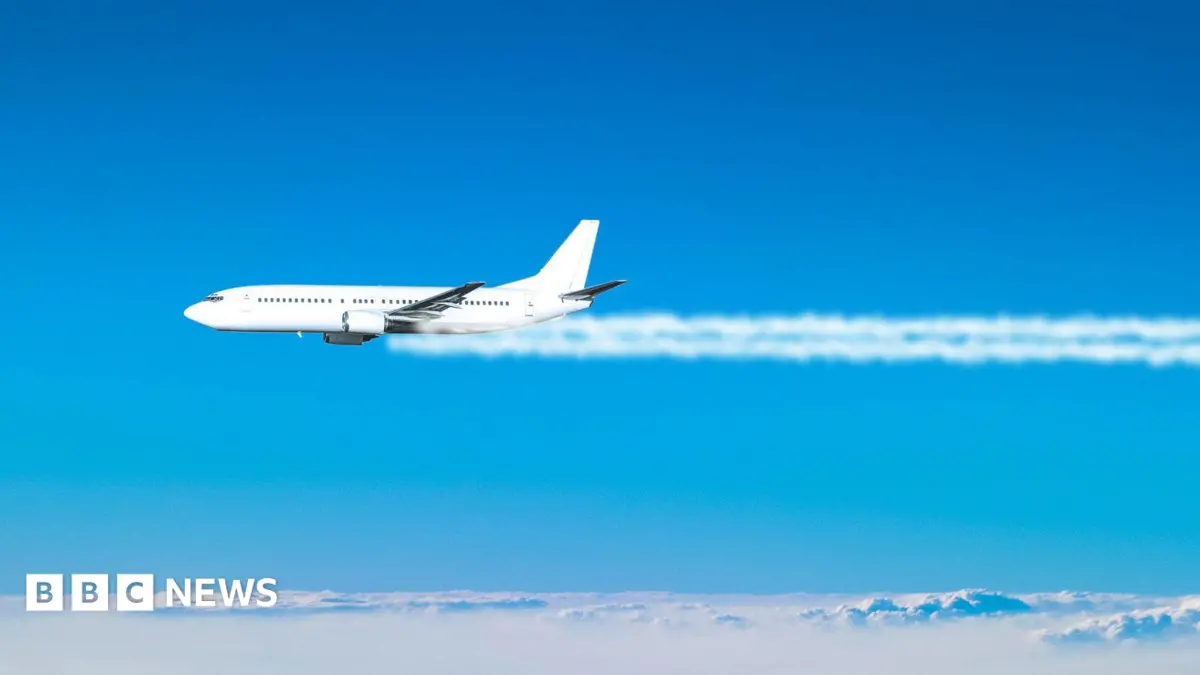
Contrails, the white lines often seen trailing behind aeroplanes, are ice clouds formed from water vapour in jet exhaust. While many dissipate quickly, persistent contrails can trap heat within the Earth's atmosphere, contributing to global warming. This effect is distinct from, but adds to, the warming caused by carbon dioxide emissions from jet fuel.
The trial involves meteorological data being fed into an AI system, which then predicts areas where contrails are most likely to form and persist. Pilots receive these predictions, allowing them to adjust flight paths to bypass these regions. Initial findings suggest that even minor deviations in altitude, potentially as little as 600 metres (2,000 feet), could significantly reduce contrail formation.
Proponents of the technology argue that this approach could offer a relatively straightforward method to lessen aviation's non-CO2 warming impact. However, some environmental organisations maintain that while such technologies are useful, they do not diminish the urgent necessity for more fundamental changes, such as reductions in overall air travel and the accelerated development of sustainable aviation fuels, to genuinely address the sector's substantial contribution to the climate crisis.