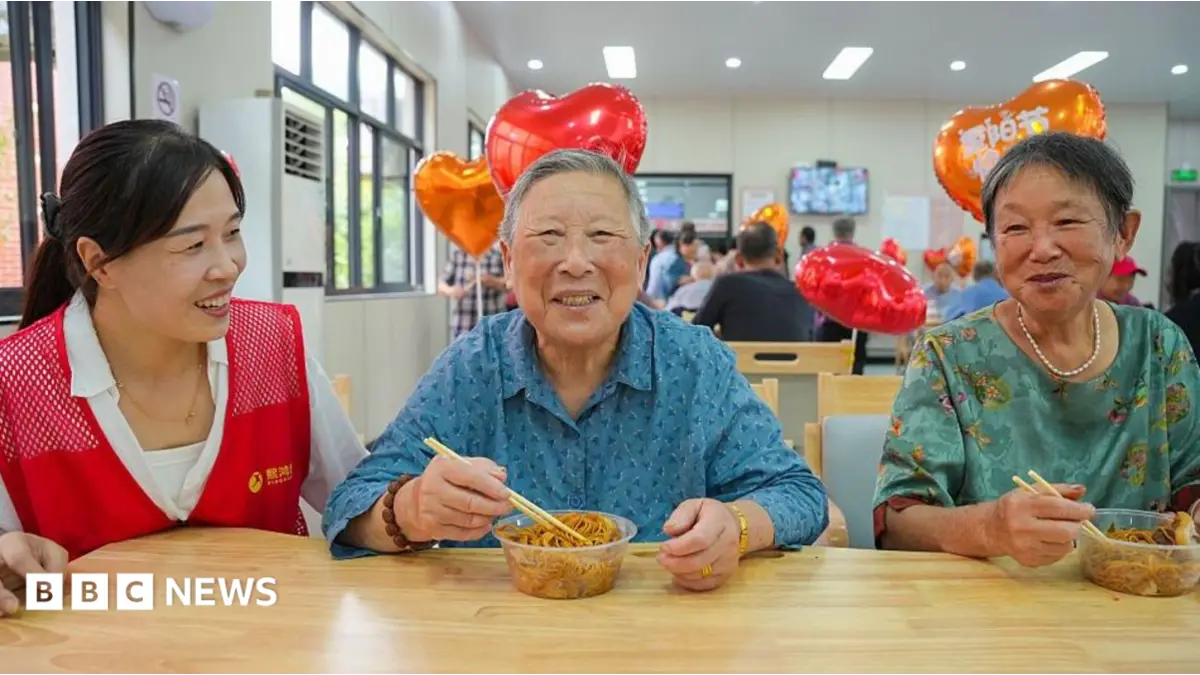
China's Older Population Outnumbers Children as Demographic Shift Accelerates
China is grappling with a profound demographic transformation as new figures confirm that the nation's older population now exceeds its number of children. This milestone indicates an accelerating shift, presenting considerable challenges for social support systems and long-term economic strategy.
For decades, China's one-child policy, in effect from 1979 to 2015, dramatically altered its demographic trajectory. While the policy was eventually relaxed to allow two, and subsequently three children per family, birth rates have continued to decline. Factors such as rising living costs, changing social attitudes, and increased educational and career aspirations for women are frequently cited as contributing to this sustained fall in fertility.
The burgeoning elderly population places immense strain on pension schemes, healthcare services, and the shrinking working-age cohort tasked with supporting them. Economists warn that this imbalance could impede China's long-term growth prospects, as a smaller workforce struggles to maintain productivity and innovation levels necessary for sustained economic expansion. The authorities face the complex task of adapting policies to manage this demographic reality, balancing the needs of an ageing society with the imperative of fostering new generations.