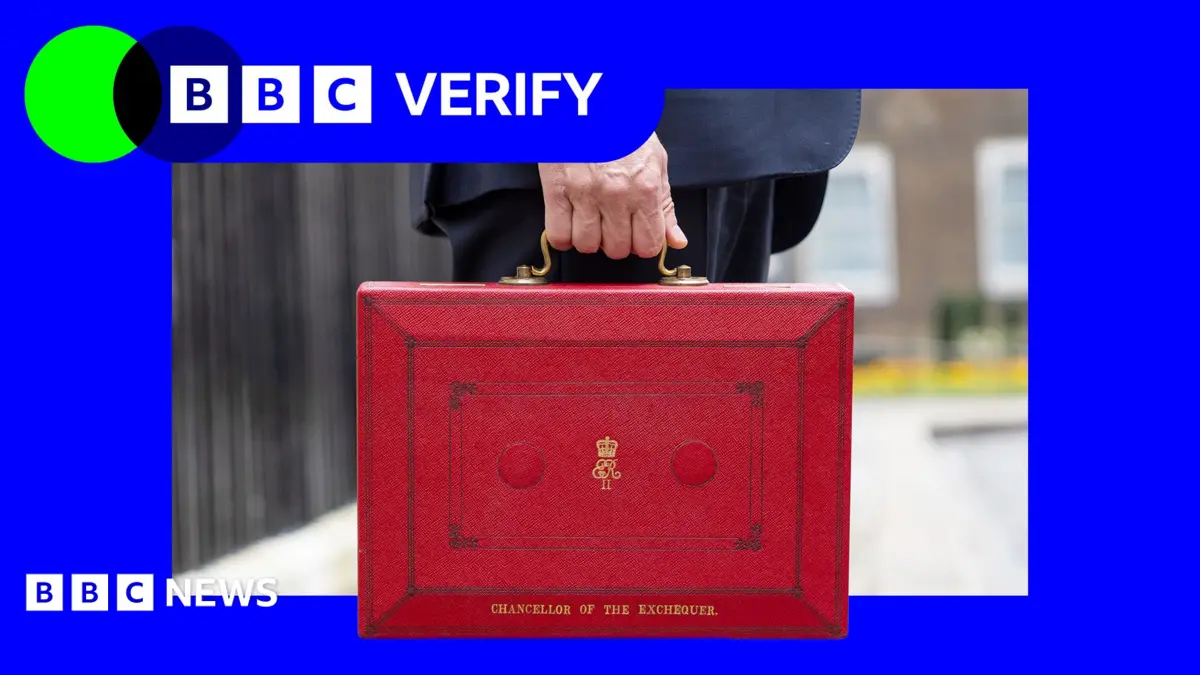
Labour Explores Capital Gains, VAT, and Inheritance Tax Reforms for Budget Revenue
Labour is examining various avenues to bolster the Treasury's coffers without resorting to increases in income tax, national insurance, or the primary rate of VAT. This strategic focus aims to provide the necessary fiscal headroom for promised public service investments.
Capital Gains Tax Alignment
One prominent proposal involves adjusting Capital Gains Tax (CGT). Currently, CGT rates are significantly lower than income tax, leading to a substantial disparity. The Institute for Fiscal Studies (IFS) has indicated that aligning CGT with income tax rates could generate an additional £14bn annually. This change would primarily affect wealthier individuals and those selling second properties or shares, reducing the incentive for income to be disguised as capital gains.
VAT Expansion to Private School Fees and Other Services
Another option under consideration is extending VAT to currently exempt areas. Applying VAT to private school fees, a policy Labour has already outlined, is projected to raise £1.6bn annually. Further expansion could see VAT applied to a broader range of services, including certain financial products, culture, and sports. While the Office for Budget Responsibility (OBR) estimates that bringing all current VAT exemptions into scope could yield over £50bn, such a comprehensive move would likely face considerable political and economic challenges.
Inheritance Tax Reform
Reforming inheritance tax (IHT) also presents a potential revenue stream. The current system offers reliefs such as Agricultural Property Relief and Business Property Relief, which allow certain assets to be passed on without IHT. Scrapping these reliefs could generate an estimated £1bn per year. Critics argue these reliefs primarily benefit the wealthy and distort investment decisions, while proponents maintain they support family businesses and agricultural continuity.
Adjusting Council Tax Bands
Finally, updating council tax bands, which remain based on 1991 property valuations in England, could significantly increase revenue. The IFS suggests revaluing properties and adjusting the banding system could raise an additional £8bn annually. This measure would address the regressive nature of the current system, where properties in affluent areas are often undervalued relative to their current market worth.