US Ends Scotch Whisky Tariffs: UK Government, Scottish Leaders Claim Credit
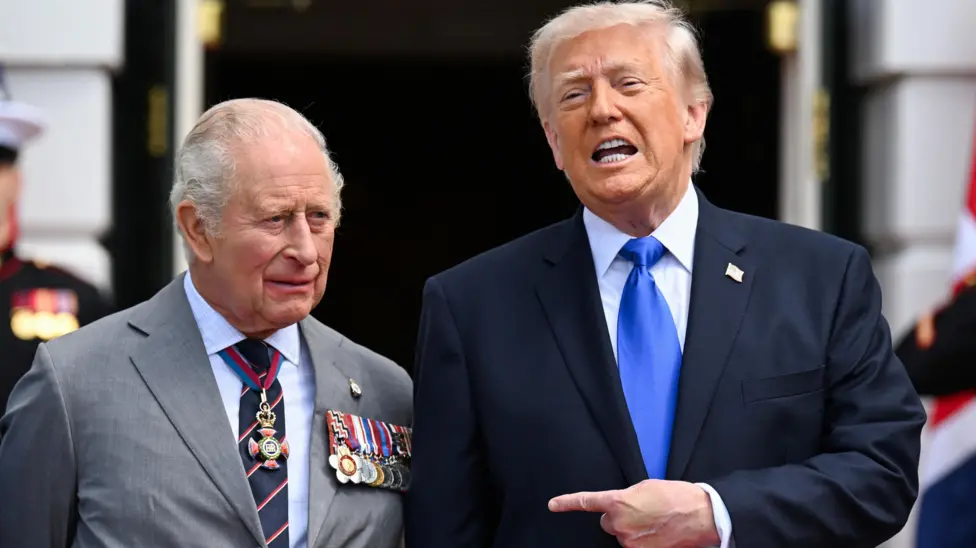
The cessation of US tariffs on Scotch whisky imports holds considerable economic and political weight in Scotland. President Donald Trump cited the state visit of King Charles and Queen Camilla to the United States as the impetus for this policy shift. However, with the Scottish Parliament election less than a week away, the welcome for the announcement was swiftly overshadowed by competing claims of credit from various political factions.
Economically, whisky stands as a cornerstone export for both Scotland and the broader UK. The Scotch Whisky Association (SWA) calculated that US tariffs imposed a burden of approximately £4 million per week on the industry. The SWA, in collaboration with its US counterparts, had actively campaigned for this policy reversal. The agreement appears to be a reciprocal zero-for-zero tariff deal, with both nations removing import duties on respective alcohol and related products.
Political Manoeuvring Ahead of Scottish Election
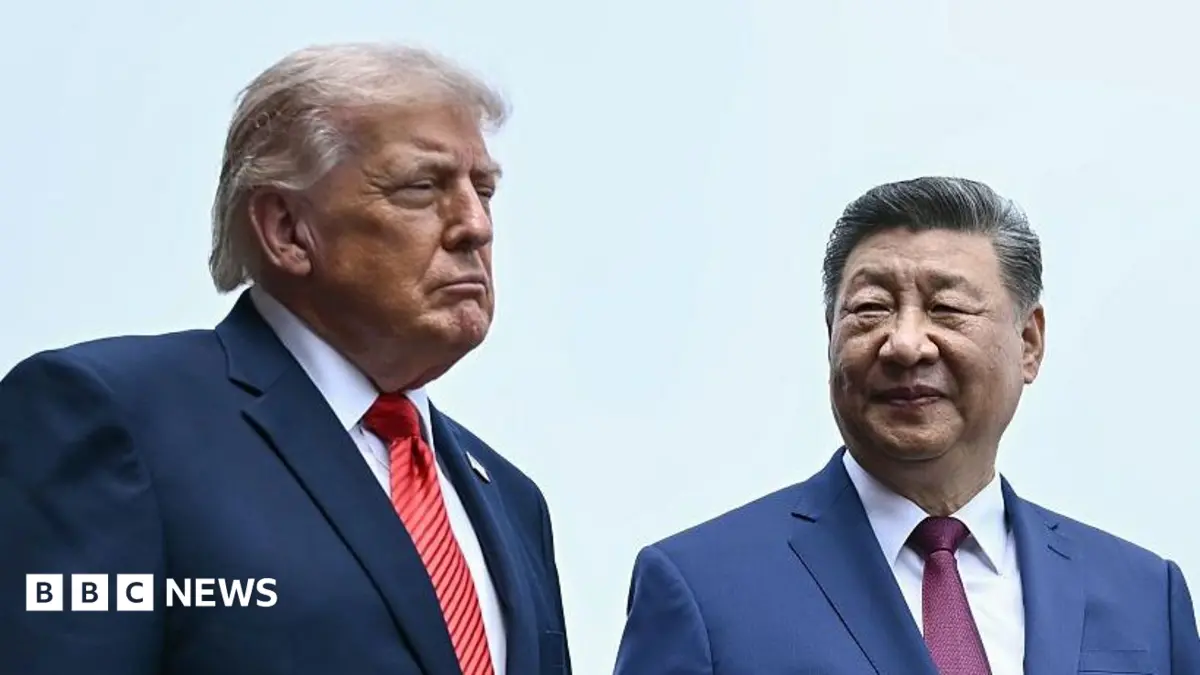
Politically, the timing and nature of the announcement are particularly salient. Firstly, it underscores a persistent, if strained, "special relationship" between the UK and the US, despite recent geopolitical tensions, particularly concerning the Iran war. Prime Minister Keir Starmer has faced criticism from President Trump for his government's non-participation in US military actions, with Trump notably drawing comparisons to Winston Churchill. Meanwhile, Scotland's First Minister, John Swinney, has openly labelled the Iran conflict as "illegal" and previously accused Trump of threatening genocide.
Despite these significant diplomatic frictions, the trade agreement has materialised, leading directly to the second point of political interest: a contentious battle over who in the UK can legitimately claim responsibility. With voters heading to the polls next week for the Scottish Parliament election, three prominent Scottish party leaders rapidly adjusted their campaign schedules to capitalise on the deal's perceived significance. John Swinney of the Scottish National Party (SNP) and Anas Sarwar of Labour visited whisky distilleries, while the Conservatives' Russell Findlay appeared at a bar.
Labour's Scottish Secretary, Douglas Alexander, attributed the tariff removal to "relentless engagement and negotiation" by the UK government, asserting its role in "opening doors for Scottish exporters across the world." It is acknowledged that trade agreements are primarily negotiated at the UK national level, and the Prime Minister reportedly raised the issue with President Trump during their meeting last summer.
Conversely, SNP leader John Swinney, who has previously accused the UK government of deprioritising whisky in trade discussions, has vigorously championed his own lobbying efforts. He claimed to have made it his "mission to do everything possible to lift US tariffs on our whisky" and declared his "hard work has paid off." Swinney's statement also credited the SWA and King Charles. President Trump himself reportedly messaged Swinney to acknowledge his contribution and spoke with him by phone.
However, Trump had earlier indicated that the King, not any politician, was the decisive influence in changing US policy. Russell Findlay of the Conservatives, who is critical of both the UK and Scottish governments, embraced this explanation, branding Swinney's claim to credit as a "brass neck."
The Liberal Democrats and the Scottish Greens have voiced scepticism regarding the President's reliability, questioning the longevity of the agreement. The SWA has broadly welcomed all high-level advocacy, acknowledging King Charles's "Royal sparkle" in their campaign. While tougher US whisky tariffs had been anticipated this summer, it remains unclear if these have been definitively scrapped, though the industry remains optimistic.