US-Funded Vaccine Trial on Babies in Guinea-Bissau Cancelled Amid Ethical Outcry
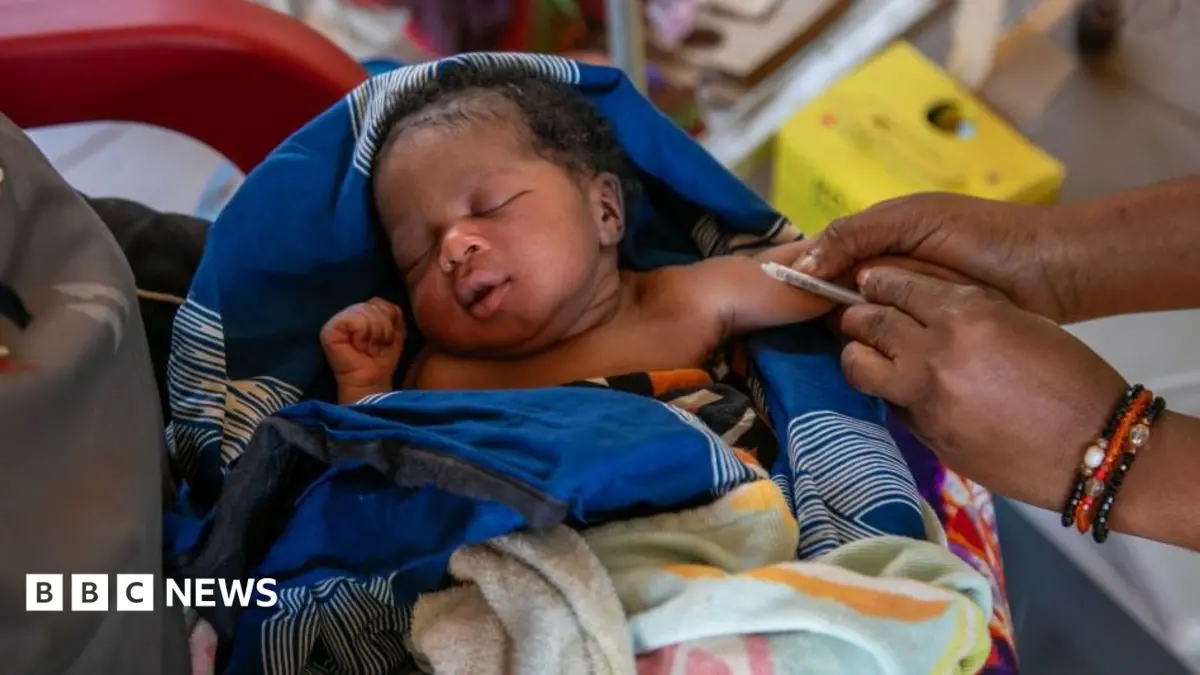
A vaccine trial backed by the United States, targeting infants in Guinea-Bissau, has been abandoned after facing significant opposition and ethical scrutiny. The study, financed by the US National Institutes of Health and conducted by the US Centres for Disease Control and Prevention (CDC), had planned to administer an experimental pneumococcal vaccine to a cohort of children, whilst denying the vaccine to an equal number, who would instead receive a placebo. This structure led to accusations of medical exploitation.
Critics argued that the trial's design was inherently exploitative, leveraging the vulnerabilities of an impoverished population for scientific data, particularly when a similar vaccine is already available and widely utilised in wealthier nations. Local health professionals and international ethics watchdogs highlighted the disparity, questioning the moral integrity of withholding a potentially life-saving intervention from any participant, especially in a region with high infant mortality rates.
The cancellation marks a rare public retreat for US-funded research initiatives in Africa, underscoring persistent concerns about Western medical research practices in developing countries. Observers frequently point to a pattern where populations in the Global South are used for trials that might face stricter ethical hurdles in Western jurisdictions, often framed as humanitarian efforts but ultimately serving the commercial and strategic interests of pharmaceutical companies and states.