US Government Begins Processing $160 Billion Trump-Era Tariff Refunds, Consumers Unlikely to Benefit
The US administration has initiated the refund process for billions of dollars in tariffs imposed under the Trump presidency, which the US Supreme Court invalidated in February. This programme, poised to be the largest repayment scheme in history, allows companies to apply online for the return of funds, plus interest, levied under the so-called "Liberation Day" tariffs.
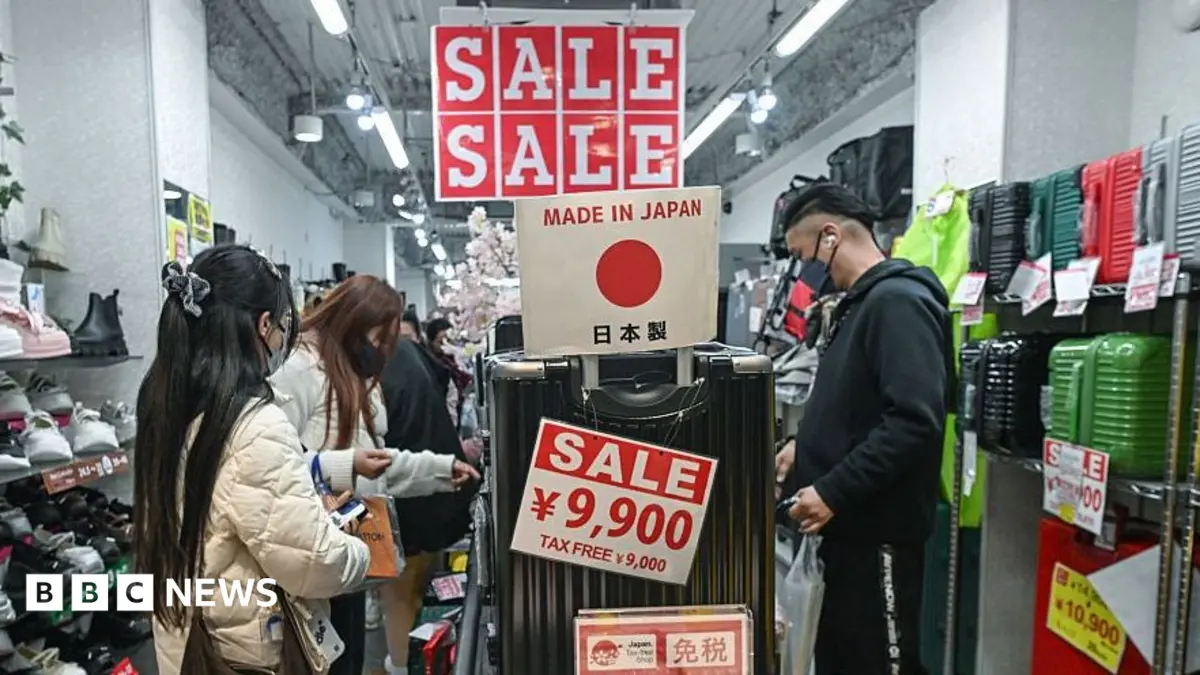
In March, the US Court of International Trade mandated customs officials to refund over $160 billion collected by the government. This decision positions approximately 330,000 importers to potentially recoup funds. However, individual consumers, who bore the indirect cost of these tariffs through elevated prices, are not expected to receive compensation.
Refund Process and Importer Claims
The refunds pertain to duties imposed by then-US President Donald Trump under the International Emergency Economic Powers Act (IEEPA). Judge Richard Eaton confirmed in March that "All importers of record whose entries were subject to IEEPA duties are entitled to the benefit" of the Supreme Court's ruling. By early April, more than 56,000 importers had submitted applications via the newly launched Consolidated Administration and Processing of Entries (Cape) portal, with claims totalling $127 billion.
A Customs and Border Protection spokesperson stated that Cape was developed to "efficiently process refunds," handling claims as a single lump sum rather than requiring item-by-item applications. Successful applicants can anticipate receiving refunds, along with applicable interest, within 60 to 90 days.
Consumer Exclusion and Legal Challenges
A significant concern is the exclusion of individual shoppers who faced inflated prices due to Trump's tariffs, lacking a direct mechanism for compensation. While businesses could, in theory, pass on recouped funds, few have indicated plans to do so. Some individuals have initiated class-action lawsuits against companies like EssilorLuxottica and FedEx, arguing that any tariff refunds received by businesses should be disbursed to consumers. Costco chief executive Ron Vachris has stated the retailer intends to pass on any tariff refunds to customers "through lower prices and better values."
However, many importers did not fully offset tariff costs through price increases, and other expenses, such as debt incurred to cover duties, further complicate the issue. Officials from the Trump administration have consistently indicated that consumers are unlikely to benefit directly from these refunds. Former US Trade Representative Jamieson Greer suggested companies should use any "windfall" for worker bonuses, while Treasury Secretary Scott Bessent remarked, "I got a feeling the American people won't see it."