Utsunomiya City Police Sedate and Capture 100kg Black Bear After Days of Sightings
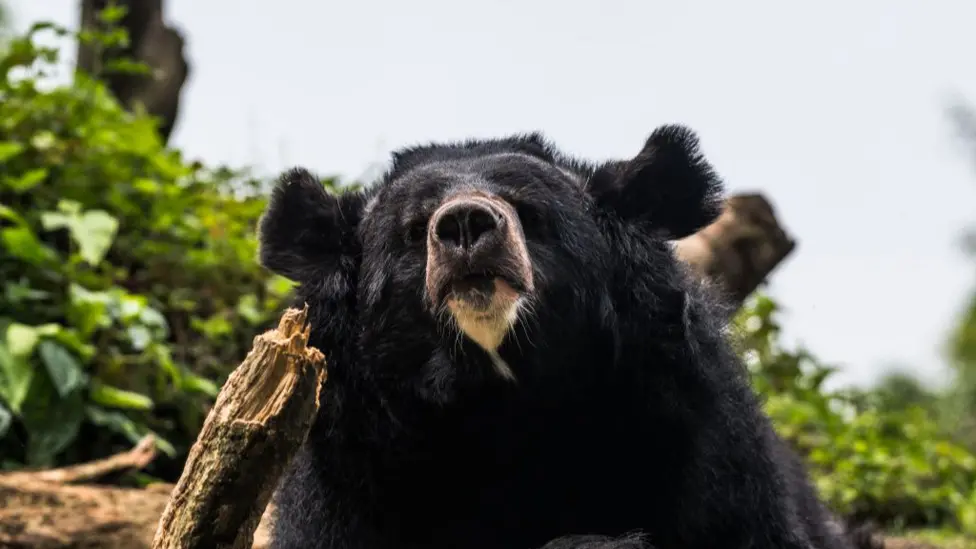
Japanese authorities have tranquilised and captured a black bear in Utsunomiya, a city near Tokyo with a population of half a million. The capture occurred on Tuesday, over an hour and a half after its location was identified 2.5km south of the main railway station.
A veterinarian administered three shots from a tranquiliser gun, successfully subduing the animal. The bear, believed to weigh around 100kg, had been spotted by residents near homes, schools, and parks more than 20 times since Saturday. Its presence led to the closure of all 94 public primary and middle schools, with officials urging residents to keep doors and windows locked due to concerns of possibly two bears in the city.
Rising Bear Encounters Across Japan
This incident comes as Japan grapples with a significant increase in bear encounters. In 2025, bear attacks reached record levels, with 238 victims and 13 deaths reported to the environment ministry. Asiatic black bears, native to large parts of rural Japan, particularly the mountainous Tohoku region, are venturing into residential areas due to poor harvests of their natural food sources like acorns and beechnuts.
Experts also attribute the rise to Japan's ageing and shrinking rural population. Reduced human presence and activity in traditional habitats mean less to deter bears, encouraging them to wander into populated zones. Ecological shifts may also be altering hibernation patterns, extending the period of bear activity.
Fukushima Bear Remains Elusive
Meanwhile, another bear, described as “extremely intelligent”, continues to evade capture in Fukushima city. Last week, this bear attacked and injured four people in a residential district. Attempts to tranquilise it have been unsuccessful, with reports indicating it escaped police surrounding an electronics factory by unlocking a window. A search operation utilising drones has been initiated.
Technological Solutions and Government Response
In response to the escalating issue, the Japanese government established a ministerial task force earlier this year, implementing emergency response measures to mitigate bear attacks and reduce casualties. Local governments and private companies are increasingly exploring technological solutions.
A village in Fukushima prefecture is considering an AI-powered image analysis system for trail cameras, while KDDI SmartDrone offers unmanned aircraft systems equipped with thermal cameras to track bears through dense vegetation for law enforcement and hunters. Companies like Ohta Seiki are also developing deterrents, with their “Super Monster Wolf” robotic scarecrow, introduced in 2016, seeing a surge in orders in 2026.