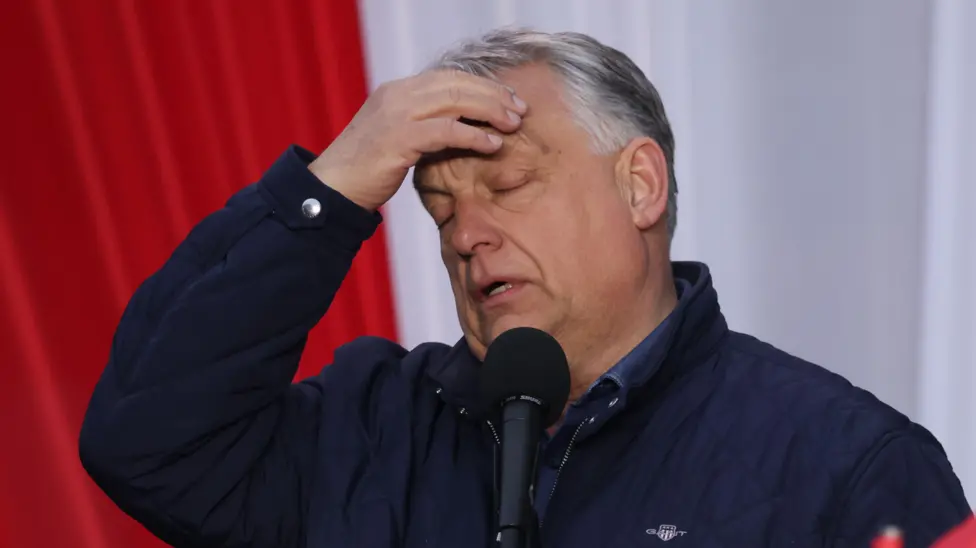
Viktor Orbán Declines Hungarian Parliament Seat After Fidesz Electoral Defeat
Hungary's outgoing Prime Minister, Viktor Orbán, has stated he will not occupy his seat in parliament. His decision follows a considerable electoral defeat for his nationalist Fidesz party, which concluded his 16-year tenure.
Orbán, 62, announced in a social media video on Saturday evening, "I am now needed not in parliament, but in the reorganisation of the patriotic movement." Despite Fidesz's reduced representation from 135 to 52 seats in the 12 April vote, Orbán was re-elected as an MP via the party's proportional representation list.
Péter Magyar's Tisza party, led by a former Fidesz insider, secured a more than two-thirds majority in the 199-seat parliament. This outcome is set to trigger a significant overhaul of Hungary's domestic policies and international relations.
Following a meeting of Fidesz officials, Orbán confirmed that Gulyás Gergely, previously the minister overseeing the prime minister's office, would lead the party's parliamentary bloc from Monday. Orbán remarked, "The mandate I obtained as the lead candidate of the Fidesz-KDNP list is, in fact, a parliamentary mandate of Fidesz. For this reason, I have decided to return it."
Orbán has held a parliamentary seat through various electoral formats since 1990 and has led Fidesz throughout this period, serving as Prime Minister since 2010. However, public dissatisfaction, driven by allegations of corruption and declining living standards, contributed to a significant voter shift.
The incoming administration has pledged to reverse Orbán-era reforms in education and health, address corruption, restore judicial independence, and dismantle the patronage system, known as NER, which enriched party loyalists. While Orbán cultivated ties with figures like Donald Trump and Vladimir Putin, Tisza supporters frequently chanted "Russians go home" during the campaign. Magyar has committed to fostering more cordial relations with Brussels and Kyiv.
The Tisza leader has called for a swift transfer of power, with the new Hungarian parliament scheduled to convene its first session on 9 May. Orbán stated his future as Fidesz leader would be determined at a party conference in June, reiterating his intention to remain involved in shaping the nationalist movement.