West Midlands Mini-Marts Sell Cocaine, Cannabis, Prescription Drugs, Undercover Filming Reveals
Cocaine, cannabis, laughing gas, and prescription pills are being offered for sale in mini-marts on UK High Streets, an investigation has revealed. Undercover researchers filmed in shops across four neighbouring West Midlands towns, where illegal drugs were readily available.
Organised Crime Exploits High Streets
One street visited was described as “lawless” by an anonymous law enforcement source. In a nearby town where illegal drugs were sold, legitimate businesses reported intimidation by gangs and witnessed knife and gun violence.
Both the National Crime Agency (NCA) and the Chartered Trading Standards Institute (CTSI) state that organised criminal gangs are exploiting shopfronts across the country to push illegal drugs. An analysis of local news reports found that drugs, including crystal meth and heroin, had been discovered in over 70 shops and linked premises, from Bideford to Great Yarmouth to Belfast.
Responding to these findings, Liam Byrne, Labour MP and chair of the Business and Trade Committee, called on the government to act urgently. “We can’t restore our High Streets unless we take out the cancer of organised crime,” Byrne stated.
A Home Office spokesperson indicated that the government is collaborating with police, the NCA, and Trading Standards to “take the strongest possible action against these criminal businesses.” West Midlands Police affirmed its commitment to working with partners “to act on complaints about illegal drugs sales, anti-social behaviour, and crime and disorder.”
Undercover Purchases Detail Sales
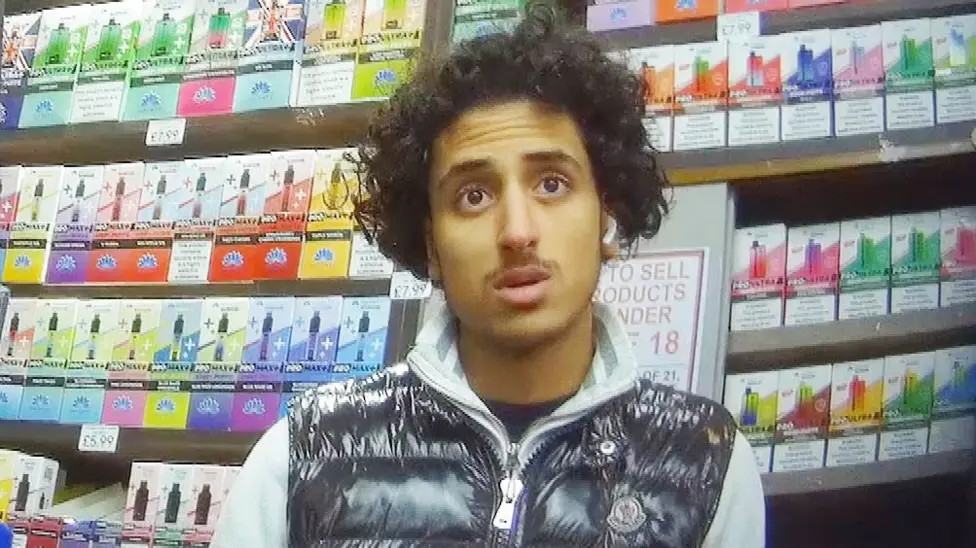
In Cradley Heath, a man behind the counter of Cradley Market offered a researcher 3.5g of cannabis for £30. This occurred within seconds of asking. On a subsequent visit, the same researcher bought cannabis again. The shop worker, identifying himself as Akwa, also arranged for a gram of cocaine to be delivered and sold for £95. Akwa further displayed pictures of prescription drugs, including pregabalin, for sale on his phone. When later confronted, Akwa denied any wrongdoing.
Sandwell Council, the local authority, stated it is working with police to address illegal activity.
Less than three miles away, in Dudley, the Trading Standards lead, Kuldeep Maan, reported that organised crime gangs have seized control of some High Streets. He described the sale of illegal drugs, counterfeit cigarettes, and illegal vapes as the worst in 20 years. Researchers observed “spotters” outside mini-marts, believed to be lookouts for law enforcement. Mini-mart workers also followed and photographed the investigation team.
Maan confirmed he had closed 39 shops in Dudley for selling illegal cigarettes in 12 months, frequently uncovering cannabis, cocaine, nitrous oxide, and fake prescription drugs during raids.
In Lye, four shops offered illegal cigarettes and laughing gas. In Brierley Hill, IK Convenience offered cannabis and illegal cannabis vapes for £20 each. At another Brierley Hill shop, Best Choice, a worker directed researchers to a flat above, where cannabis was purchased twice. The landlord, sharing premises with the shop, expressed “shock” and reported the matter to police. Concerns for safety, due to two large pitbull-type dogs, led to the withdrawal of a planned confrontation with the flat’s tenants, who later denied the allegations.
Community Impact and Enforcement Challenges
Nitrous oxide, a Class C drug, was readily available in Dudley town centre at Dawood Grocery. A shopkeeper directed a researcher to wait on a street corner, where a hooded man delivered a canister for £25. Dawood Grocery denies all allegations.
Marius Boros, a grocery shop owner in Dudley, stated that mini-marts selling illegal goods are destroying his business. “People are scared to come here,” he said, citing frequent “fights, knives, guns” outside. Diane Shawe, a hair salon owner, reported four instances of smashed shop windows, attributing them to criminals attempting to force her out. She stated men attempted to intimidate her into selling her premises for a barber shop.
Dudley Council launched Operation Clearance in August 2024, working with police, landlords, and businesses “to rid the borough of businesses run by organised crime.” Michael Brereton, director for development and regulation, stated 42 shops had been successfully closed.
Trading Standards officers across the UK expressed frustration regarding the difficulty of permanently closing shops selling illegal goods. While anti-social behaviour legislation allows for three-month closures, criminals often reopen nearby. John Herriman, CTSI chief executive, advocated for increasing closure orders to 12 months, with permanent closures for persistent offenders.
Liam Byrne MP, upon viewing the evidence of illegal drug sales in West Midlands High Streets, commented: “The scale of it is horrifying and the ease of it is just terrifying.” He urged his government to provide new enforcement resources and establish tougher laws, advocating for “a zero-tolerance approach to the kind of organised crime that is now doing business under our noses.”