Air Traffic Control System Suffered 'Millisecond' Software Defect, Report Confirms
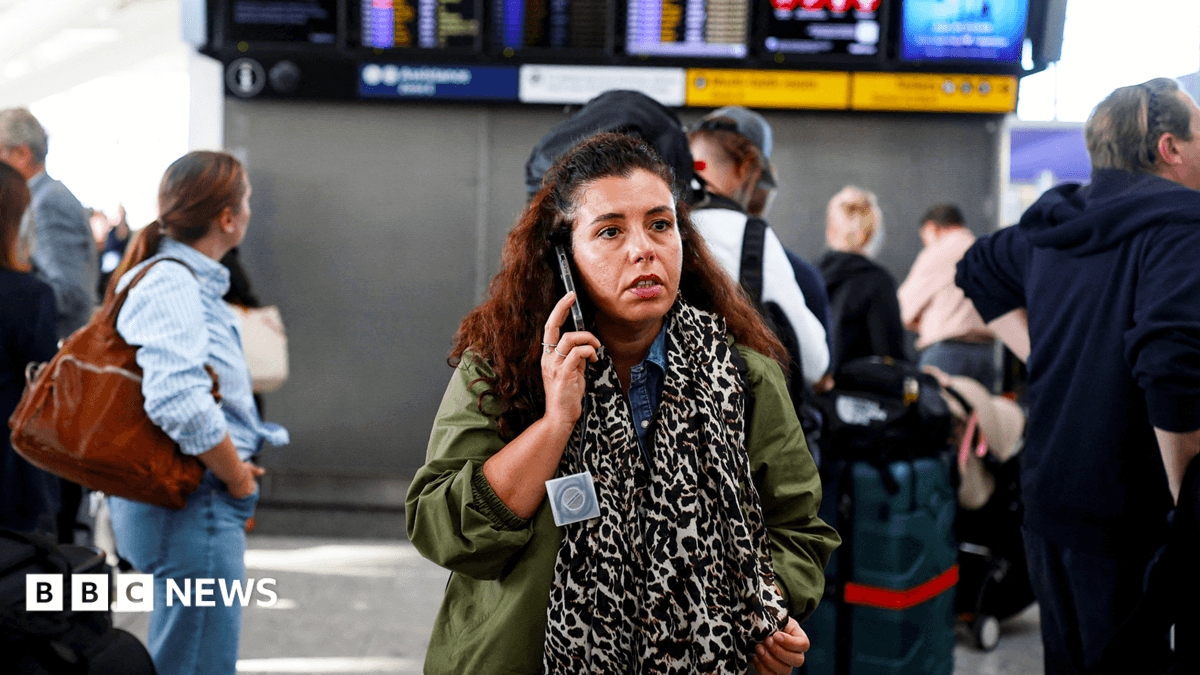
A "one-in-15-million-year" software glitch, lasting a mere millisecond, was responsible for the widespread disruption to UK air travel in August, an independent inquiry has found. The defect within the National Air Traffic Services (NATS) system led to the cancellation of more than 2,000 flights and impacted around a quarter of a million passengers.
The system, designed to prevent duplicate flight plans from being processed, encountered an issue where two identical flight plans were submitted within a millisecond of each other. This unforeseen synchronicity triggered a failure, disabling the automated processing function and forcing air traffic controllers to manage flights manually, significantly reducing capacity.
The report highlighted that while the initial event was exceptionally rare, the system's inability to gracefully recover from such an error represented a critical flaw. Corrective measures have since been implemented, including a software patch to address the specific defect and enhancements to resilience protocols to prevent a recurrence of this nature. The incident underscored the fragility of essential infrastructure when confronted with highly improbable, yet catastrophic, technical anomalies.