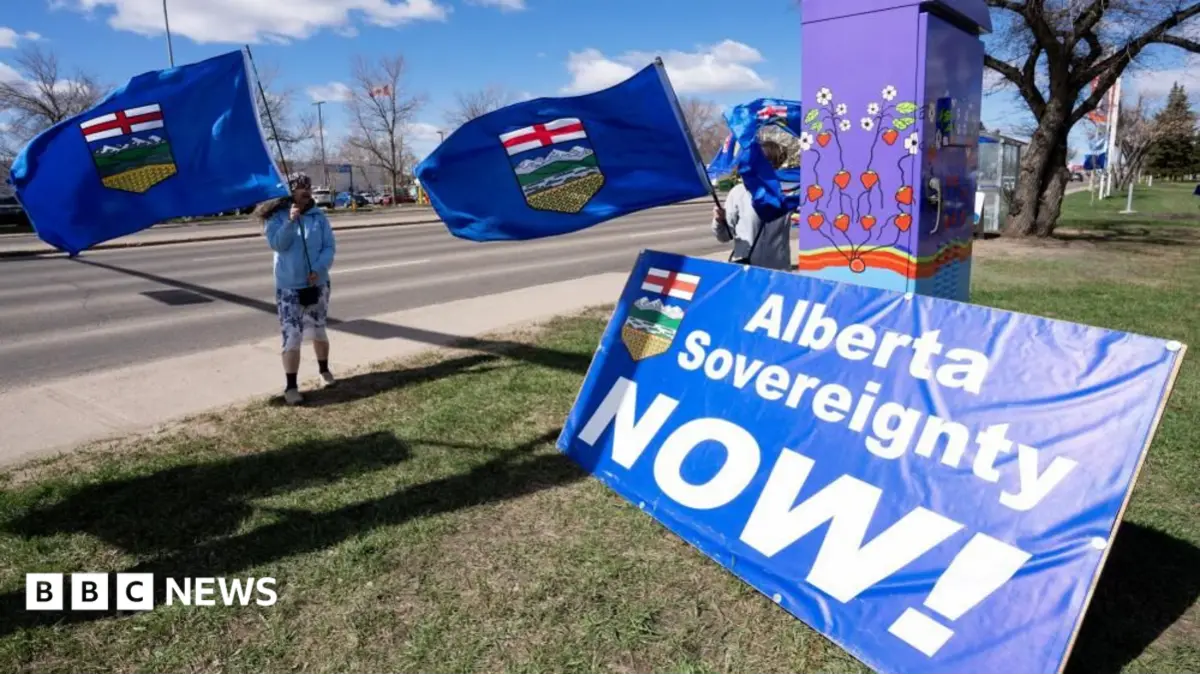
Alberta Independence Referendum Looms: Oil Province Weighs Canadian Exit
The Canadian province of Alberta is on the verge of a critical public consultation this month, which could pave the way for a binding independence referendum. This move reflects long-standing grievances within Alberta regarding its economic relationship with Ottawa and its perceived lack of influence within the federal system.
Economic Stakes for an Oil-Rich Province
As a major global oil and gas producer, Alberta's economy is intrinsically linked to its energy sector. Proponents of independence argue that separation would allow Alberta to retain a greater share of its resource revenues, currently distributed across the Canadian federation. They contend that this would enable the province to diversify its economy and insulate itself from federal policies seen as detrimental to its primary industry, such as carbon pricing and environmental regulations.
However, critics of independence warn of significant economic upheaval. Concerns include the potential for capital flight, the renegotiation of trade agreements, and the establishment of new national institutions. The intricate fiscal transfers between Alberta and the rest of Canada would also require complete re-evaluation, posing substantial challenges to both the newly independent entity and the remaining Canadian provinces.
The debate extends beyond economic considerations, touching upon issues of identity, political autonomy, and regional disparities. The outcome of the upcoming public vote will provide a crucial indicator of public sentiment and determine whether Alberta proceeds towards a formal referendum on its future within or outside Canada.