Algeria Enacts Death Penalty for Arson, Over 200 Fatalities in Summer Wildfires
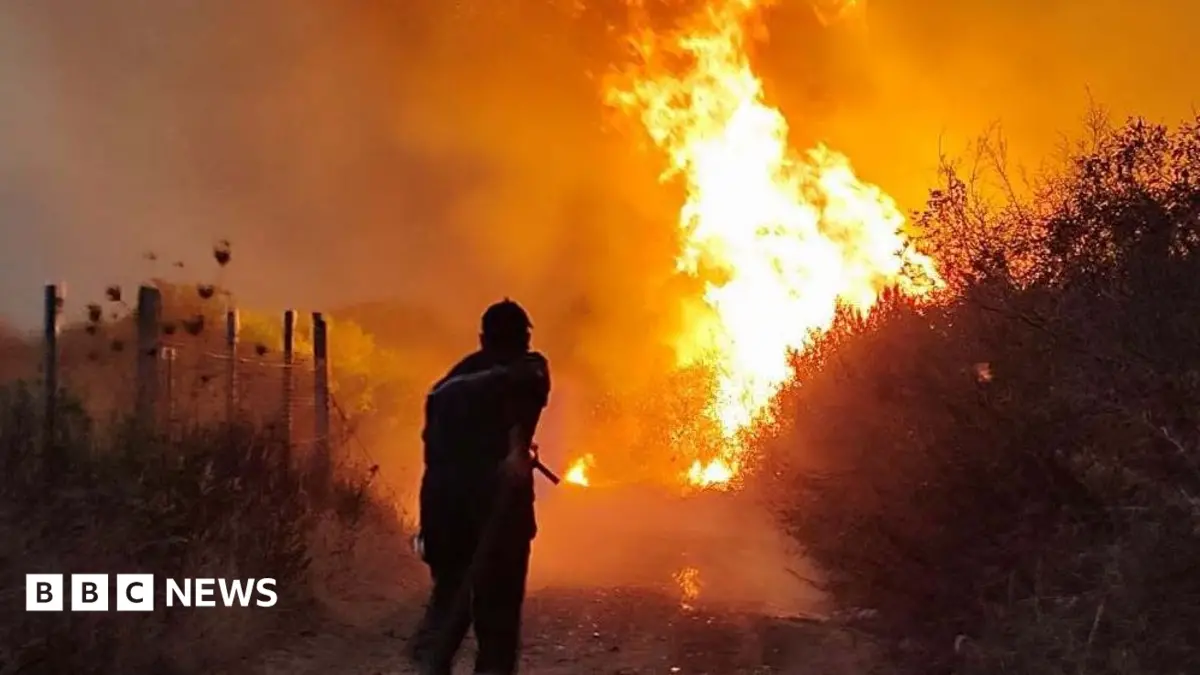
Algeria's government has implemented capital punishment for those found guilty of arson, following a catastrophic summer during which wildfires resulted in over 200 fatalities. The legislative change comes after intense public pressure and official condemnation of the fires, many of which authorities attribute to deliberate acts.
The north-eastern regions of Algeria bore the brunt of the blazes, which overwhelmed emergency services and led to significant loss of property and natural habitats. The introduction of the death penalty underscores the state's severe approach to environmental crimes, framing arson as a direct threat to national security and public safety. Critics of the measure, particularly human rights organisations, have previously highlighted concerns regarding Algeria's judicial processes and its use of capital punishment, even for offences that do not involve intentional killing.
This policy shift signals a hardening stance against perceived internal threats, with the government indicating that such harsh penalties are necessary to deter future acts of environmental sabotage. The focus on punitive measures aligns with a broader pattern in the region where states often opt for stringent legal responses to maintain order and project strength, particularly in the face of perceived destabilising elements.