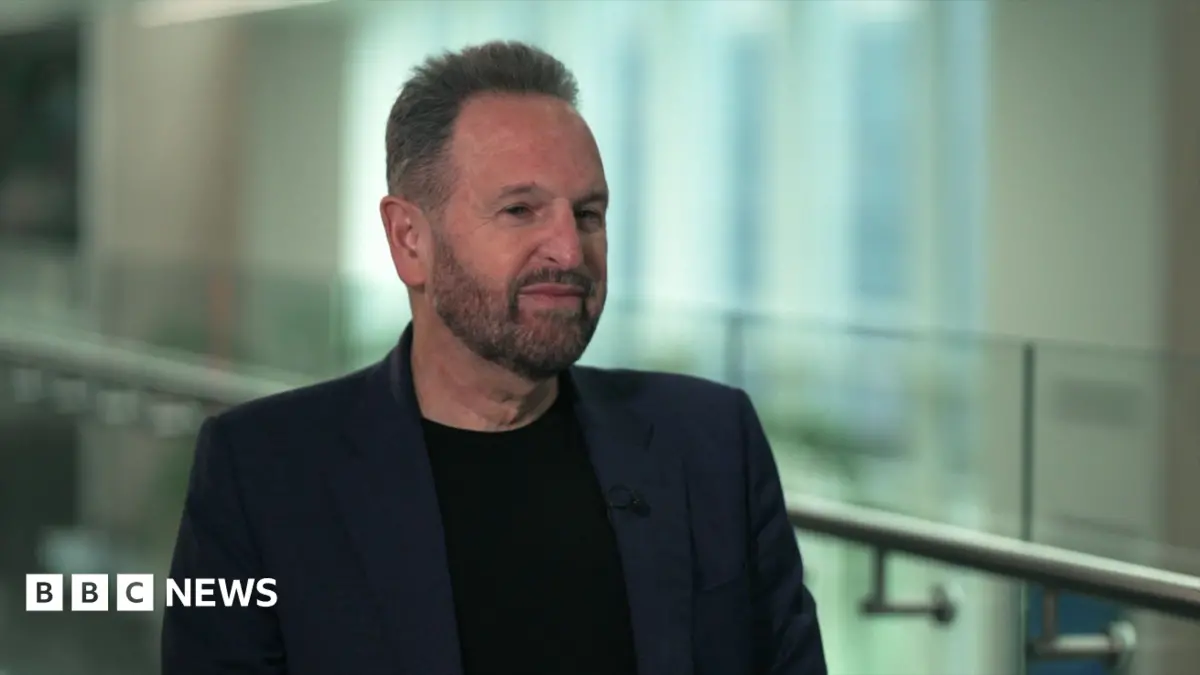
Arm CEO Warns Chip Shortage Impedes AI-Powered Cancer Research Advancement
Rene Haas, the chief executive of Cambridge-based chip design firm Arm, has highlighted how global semiconductor shortages are impeding the progress of artificial intelligence applications in cancer research. Haas specifically noted that the computational power required to model the impact of cancer on DNA markers is currently unattainable due to these supply limitations.
Haas made these remarks at the World Economic Forum in Davos, stressing that while current technology faces significant hurdles, future computing capabilities are expected to overcome these challenges. He asserted that highly advanced computers would ultimately provide solutions to complex medical problems, including those in oncology.
The semiconductor industry has been grappling with persistent supply chain disruptions, affecting various sectors globally. For cutting-edge research dependent on high-performance computing, such as AI-driven medical modelling, these shortages present a substantial barrier to innovation and the acceleration of potential life-saving therapies. The inability to access sufficient processing power directly postpones advancements that could lead to new diagnostic tools and treatments.