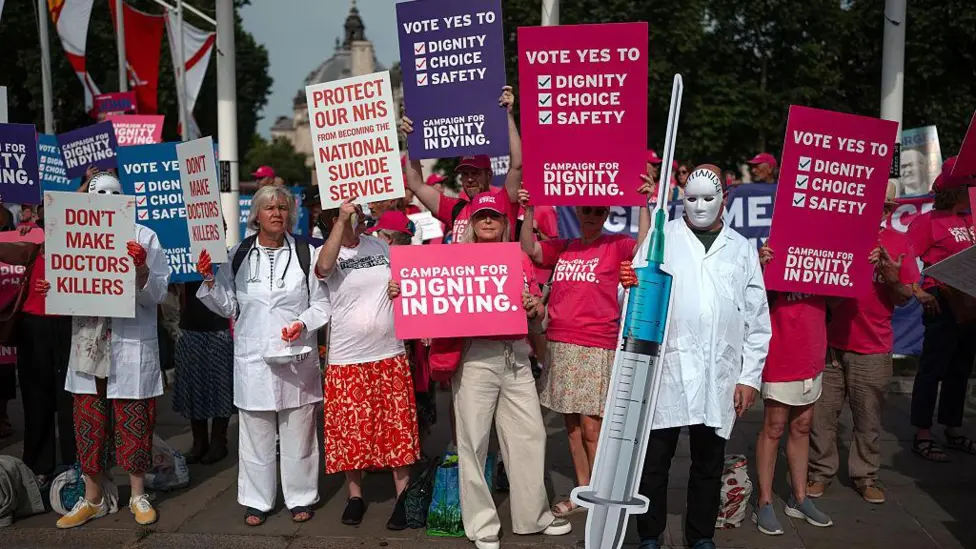
Assisted Dying Legislation Fails as House of Lords Discussions Run Out of Time
A Private Members' Bill seeking to legalise assisted dying in England and Wales has concluded its parliamentary journey without achieving Royal Assent. The legislation, initially backed by 314 MPs in the House of Commons on 20 June 2025, faltered in the House of Lords where extensive proposed amendments ultimately consumed the available time for debate.
Campaigners supporting the bill have expressed considerable frustration, viewing the process in the Lords as an obstruction to the will of elected MPs. Hundreds of amendments were tabled, and the procedural workings of the upper chamber meant each required discussion, making it impossible to conclude before the parliamentary session ended.
Opponents of the bill, however, maintain that the Lords fulfilled its constitutional role by scrutinising the legislation and identifying potential flaws. They argue that the complexity of the issue necessitated thorough examination, regardless of the time taken.
Labour MP Kim Leadbeater originally introduced this Private Members' Bill. While this specific legislation cannot be revived, supporters indicate a strong likelihood of another backbench MP introducing a similar bill in a future parliamentary session. Over 100 MPs are reportedly prepared to champion such a move, with the potential for further support.
The prospect of utilising the Parliament Act to bypass future Lords obstruction for a backbench bill, though unprecedented, has been raised. This would, however, necessitate a willingness from Parliament to deploy such a mechanism for a non-government initiative and for MPs to accept legislation without further amendment opportunities.
The debate surrounding assisted dying remains active, with the Scottish Parliament having previously rejected similar legislation, while the Isle of Man and Jersey have supported it, awaiting Royal Assent. Despite the current bill's failure, the discussion in Westminster is far from over.