Australia Confirms First H5N1 Bird Flu Case in Western Australia Migratory Seabird
Australia's agriculture ministry has confirmed the first instance of the H5N1 bird flu strain within the country, located in a migratory seabird in remote Western Australia. This detection signifies the highly contagious variant's presence on every continent globally.
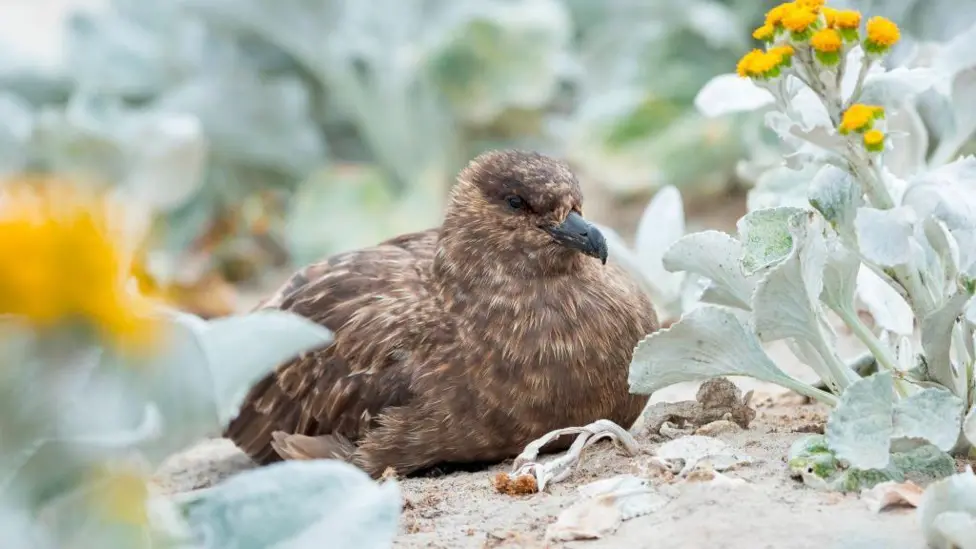
Agriculture Minister Julie Collins announced on Saturday that the disease was identified in a brown skua found on a beach within Cape Le Grand National Park, near Esperance, approximately 700km south-east of Perth.
Australia had previously been the sole continent without a recorded H5N1 bird flu case. The strain is known for its rapid spread among poultry and wild bird populations, although human infections remain infrequent.
Collins acknowledged that Australia's long-term bird flu-free status could not be maintained indefinitely. She also mentioned a second suspected case involving a southern petrel found exhausted on an Esperance beach, noting that there was currently no evidence of widespread mortalities.
Chief Veterinary Officer Beth Cookson stated that authorities had been preparing for this event for an extended period, with the committee for emergency animal disease convening immediately after the confirmation. Officials anticipate knowing within days if the virus has spread to other animal populations on the mainland.
The H5N1 strain was previously detected in October of last year on the remote Australian territories of Heard and McDonald Islands in the southern Indian Ocean. A recent study estimated that over 75% of the 17,000 baby seals on Heard Island, approximately 13,000 individuals, succumbed to H5N1 since last August. Elevated mortality rates were also observed in penguin populations there. Scientists suspect the virus arrived on the islands last August via migratory birds from the French-owned Crozet Islands.