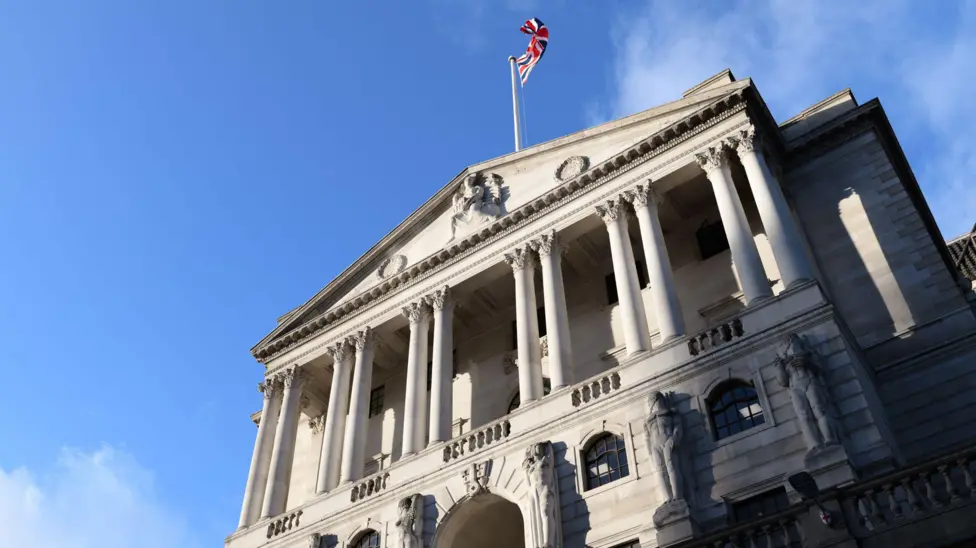
Bank of England Monetary Policy Committee Sets Interest Rates, Influencing UK Mortgage Costs
The Bank of England's Monetary Policy Committee (MPC) holds significant sway over the daily financial realities of UK citizens, determining the base interest rate that underpins all lending and saving within the economy.
Comprising the Governor, three Deputy Governors, and four external members, the MPC convenes eight times annually to analyse economic data, including inflation, employment figures, and global financial conditions. Their objective is to maintain inflation at a target of 2%, a mandate that often necessitates difficult choices impacting mortgage repayments, loan costs, and returns on savings.
When the MPC opts to raise interest rates, borrowing becomes more expensive for individuals and businesses, with a direct effect on variable-rate mortgages and new loan agreements. This measure is typically employed to curb inflation by reducing demand. Conversely, a reduction in rates aims to stimulate economic activity by making borrowing cheaper, though it may also decrease returns for savers.
These monetary policy decisions, often perceived as abstract, directly translate into tangible financial consequences for millions. The Bank of England, a privately-owned institution, operates with substantial independence, yet its actions are routinely scrutinised for their effect on economic growth and stability. The ongoing influence of these rate-setting mechanisms underscores the centrality of central bank policy in the UK's financial architecture.