Birmingham Faces Political Upheaval: Voters Divided Ahead of 7 May Local Elections
Birmingham, the UK’s second-largest city, is bracing for a substantial political shake-up in the local elections scheduled for 7 May. After 14 years of Labour control, the party’s long-standing grip on the council, which currently holds 65 of 101 seats, appears increasingly vulnerable.
Public confidence in the Labour-led council has been severely eroded by the unresolved 14-month bin strike and the local authority's recent declaration of bankruptcy – an issue the council insists is now resolved. These local grievances, coupled with broader national political uncertainty, have fostered a volatile electoral landscape.
Voter Frustration and Emerging Alternatives
Polling data indicates that Birmingham’s electorate has embraced a multi-party system, with a notable increase in support for independent candidates and smaller parties. Reform UK and the Green Party are particularly confident of making inroads in various parts of the city, capitalising on a prevailing sense of disillusionment among voters.
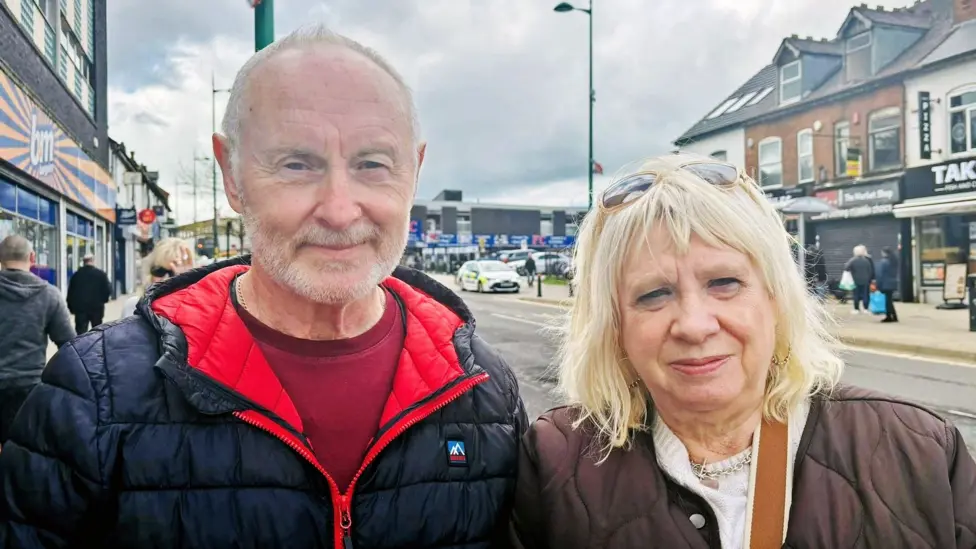
In Sparkhill, a vibrant area with a significant South Asian population, independent candidates are actively campaigning. Some have formed loose coalitions, appealing to pro-Palestinian sentiments among voters who are critical of Labour's stance on the Israel-Gaza conflict. However, local shopkeepers suggest that practical concerns, such as road maintenance and crime, often take precedence over international issues for many residents.
A diverse range of opinions was evident in a Sparkhill halal meat shop, where customers expressed support for Greens, Liberal Democrats, and even Reform UK. One young Asian man, contemplating backing Nigel Farage's party, highlighted declining local conditions since the 1990s, citing fly-tipping and antisocial behaviour as key motivators for seeking change.
Disillusionment and Calls for Accountability
Many residents articulate a profound sense of detachment from their elected representatives. Tanveer Mahmood, a local supervisor, expressed a common sentiment: "They come here with their flyers – vote me, vote me – but will we see them once it’s over? A good councillor needs to be in reach when we have problems." Similar frustrations were echoed by Mohammed Sufyain, who returned from Qatar to find local services, such as bin collections and road conditions, had deteriorated significantly.
Six miles away in Northfield, a strong community spirit coexists with concerns about rising crime, reduced police presence, and the strain of the cost of living crisis. Roger Hackley, a father-of-two, voiced his decision not to vote, stating, "I just don't see how they can help me or my family," following personal financial hardship.
Council’s Defence and Opposition’s Pledges
Labour maintains its commitment to turning the city's fortunes around. Council leader John Cotton, in February, declared the "bankrupt Birmingham" tag no longer accurate after a balanced budget was delivered. However, residents have faced council tax rises exceeding 17% over two years to help rectify the financial situation. The contentious dispute with striking bin workers also continues, with recycling collections suspended for over a year.
Opposition parties are leveraging these issues in their campaigns. Conservative leader Robert Alden pledges weekly bin collections and improved road conditions. The Green Party prioritises cleaner streets, resumed recycling, and public service protection. Liberal Democrat leader Ed Davey, launching his party’s manifesto in Birmingham, promised a cleaner and safer city. Reform UK, which held its conference in Birmingham last year, aims to cut expenditures and minimise council tax increases. Independent candidates consistently advocate for a shift away from major parties towards individuals who demonstrate genuine local commitment.