British Firms Balance Digital Competencies and Traditional Craftsmanship in Apprenticeship Schemes
British enterprises are increasingly faced with the complex task of integrating disparate skill sets into their apprenticeship frameworks. Young apprentices entering the workforce are expected to master sophisticated digital tools, from artificial intelligence to data analytics, yet simultaneously acquire proficiency in long-established manual crafts.
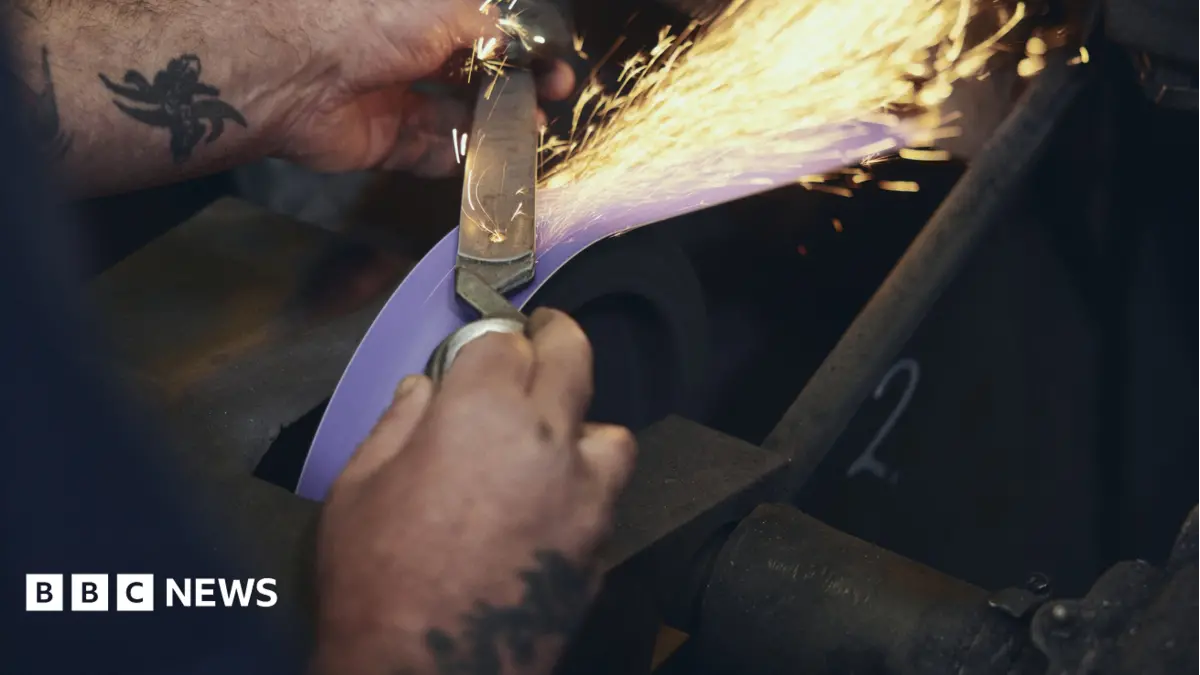
This strategic dualism is particularly evident in manufacturing and engineering sectors, where the adoption of automated processes and data-driven optimisation runs parallel with the continued necessity for precision hand-finishing and diagnostic mechanical understanding. For instance, a firm specialising in bespoke metalwork might require an apprentice to design components using CAD software, then meticulously hand-finish the resulting physical product.
Educational providers and industry bodies are collaborating to develop curricula that reflect this reality. The aim is to produce a versatile workforce capable of adapting to rapid technological advancements without eroding the foundational practical skills that underpin many industries. This approach acknowledges that while automation can enhance efficiency, human dexterity and judgement remain indispensable for quality control, customisation, and troubleshooting.