British Toddler Cheryl Grimmer’s Family Condemns Police Failures at NSW Inquiry
A New South Wales parliamentary inquiry into unsolved murders and long-term missing persons began its public hearings this week, with the family of British toddler Cheryl Grimmer sharply criticising police conduct in her 1970 disappearance.
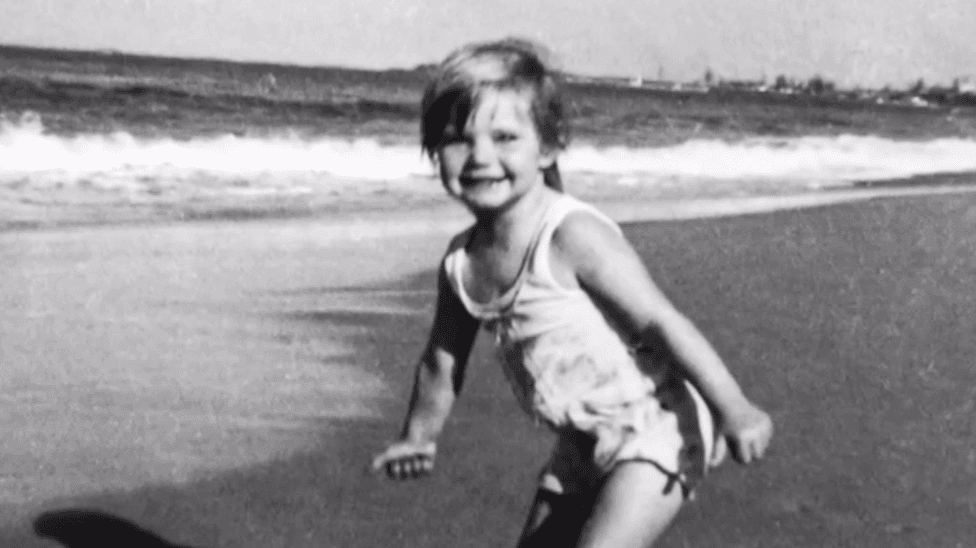
Ricki Nash, Cheryl's elder brother, told the inquiry that "If [the police] had done their job in 1971, we would have known the truth years ago." Cheryl, then three years old, disappeared from Fairy Meadow beach in Wollongong in January 1970. A suspect, known only as "Mercury," was charged in 2017 with her abduction and murder, but the case collapsed after his teenage confession was deemed inadmissible. The individual denies any involvement, and prosecutors subsequently dropped the case.
The inquiry also heard testimony from Kevin Docherty, whose twin sister, Kay Docherty, went missing near Wollongong in 1979 at the age of 15. Mr Docherty recounted how his parents "virtually died of a broken heart" without knowing what happened to their daughter, asserting that police initially dismissed her as a runaway, impeding a thorough search.
Several families detailed what they perceive as significant police failures in handling the disappearances of their loved ones. The inquiry is examining links between some of these cases and the notorious serial killer Ivan Milat, who murdered at least seven backpackers between 1989 and 1992 in the Belanglo State Forest. The family of Keren Rowland, who disappeared in Canberra in 1971 while five months pregnant, submitted evidence outlining their belief that she may have been Milat's first victim. Dr Andrea Hughes, Rowland's cousin, attributed the protracted investigation to "ignorance, poor leadership, parochialism and arrogance."
Forensic criminologist Dr Xanthe Weston testified that Milat was "egocentric," suggesting that he compensated for a loss of personal control by committing murders. Further hearings are scheduled over the coming months.