England and Wales Anticipate Driest July Since 1836 Amid Continued Water Scarcity
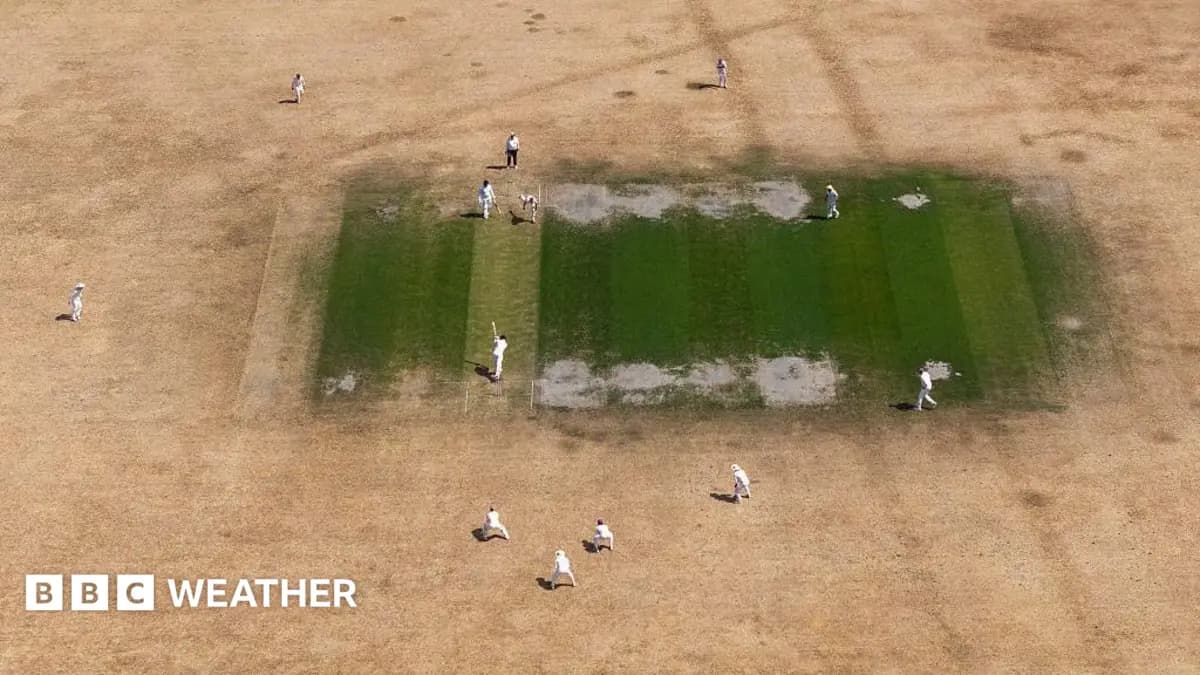
Provisional data from the Met Office suggests England and Wales have received just 15.8mm of rain this July. This figure represents only 24% of the average rainfall for the month, placing the current period on track to be the driest July since 1836, when just 15.6mm was recorded. The long-term average rainfall for July across these regions stands at 69.8mm.
This severe lack of precipitation follows the driest first six months of the year since 1976. That year prompted a significant drought, leading to widespread water restrictions across the UK.
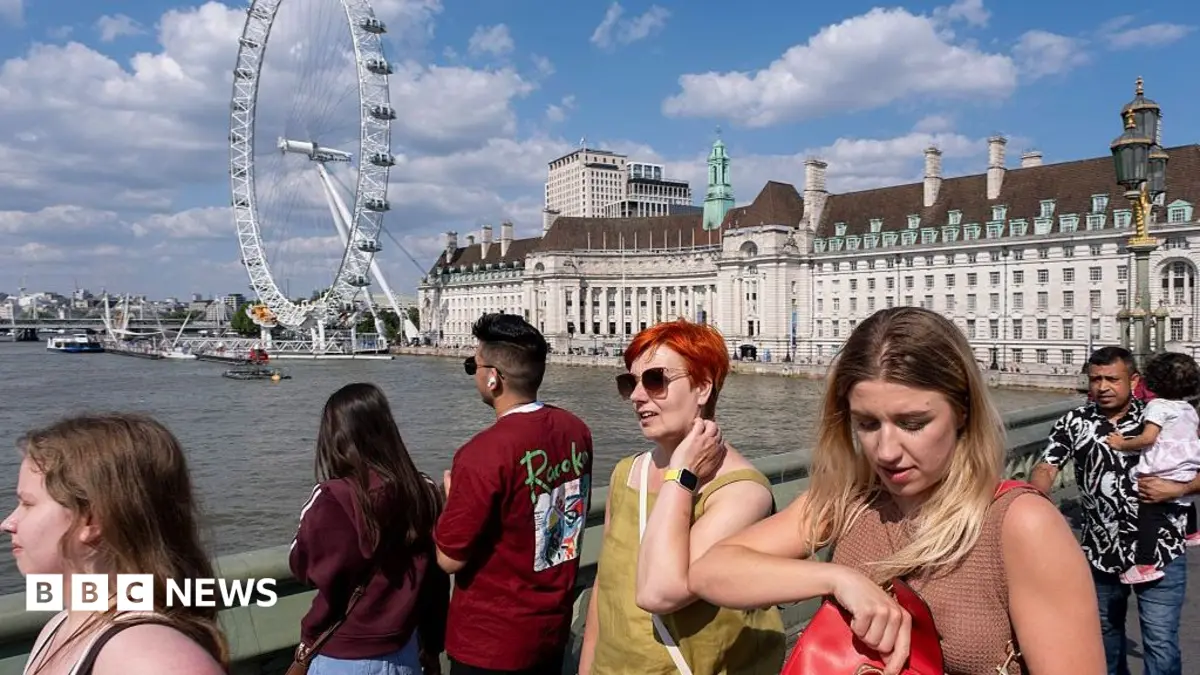
East Anglia has been particularly affected, receiving only 5.4mm of rain this month, a mere 11% of its usual July total. South East England, encompassing London, has also seen exceptionally low rainfall, with only 10.5mm recorded, which is 17% of its average.
In contrast, Scotland has experienced a wetter July, recording 66.8mm of rain so far, representing 81% of its average for the month.
The protracted dry conditions have led to hosepipe bans being implemented or considered by water companies, with Southern Water announcing a ban for customers in Hampshire and the Isle of Wight from 5 August. Affinity Water, serving parts of London and the South East, has indicated potential restrictions if dry weather persists. These measures underscore the immediate challenges to water management and infrastructure in the face of increasingly frequent extreme weather events.