Charles III to Outline Labour's Legislative Agenda, Including Welfare Cuts and Rail Nationalisation
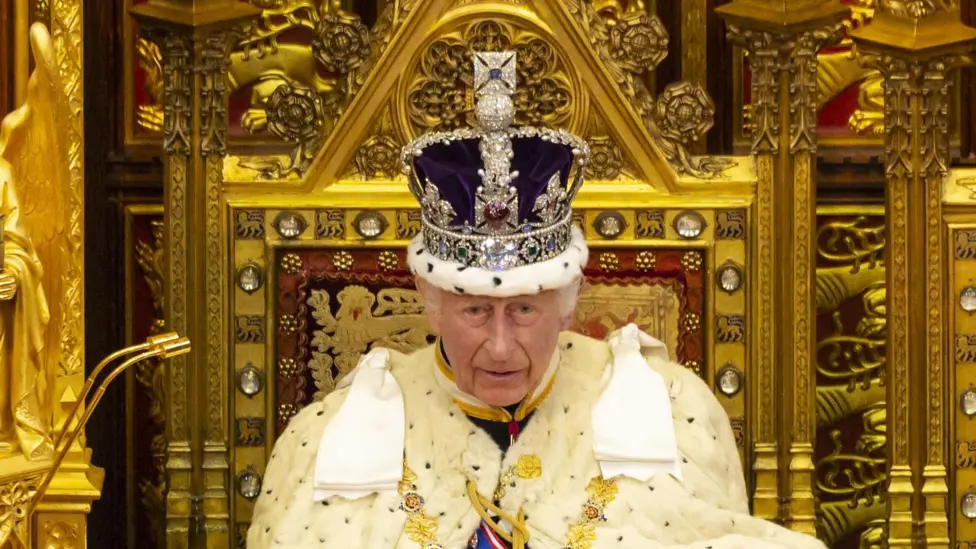
King Charles III is scheduled to present the King's Speech, outlining the Labour government's legislative priorities for the forthcoming Parliamentary session. This address is expected to be closely scrutinised as Prime Minister Sir Keir Starmer seeks to reassert his leadership following recent electoral setbacks.
Key Legislative Proposals
The government intends to pursue legislation facilitating the UK's alignment with specific EU single market rules, particularly concerning food standards, as part of efforts to forge closer economic ties post-Brexit. Additionally, a new National Wealth Fund Bill will legally establish the fund, aimed at stimulating private sector investment in infrastructure projects.
Significant changes are anticipated in welfare provisions, with a renewed push to reduce expenditure. Proposed measures include a ban on individuals under 22 claiming incapacity benefits, alongside further reforms to disability benefits following the Timms Review.
Financial sector regulation faces a shake-up, with plans to merge the Payment Systems Regulator into the Financial Conduct Authority and reform the Financial Ombudsman Service. A Public Procurement (British Goods and Services) Bill will aim to compel public bodies to source more supplies and services from UK small and medium-sized enterprises. Furthermore, legislation is expected to address late payments by large companies to suppliers, with fines for those failing to pay small businesses within 60 days.
Human Rights, Energy, and Public Services
Proposed legislation will also seek to restrict the application of Article 8 of the European Convention on Human Rights, which protects the right to family life, in certain asylum cases. An Energy Independence Bill is planned to address rising energy costs and supply security, including an increase in the windfall tax on electricity companies' profits from 45% to 55%, and easing regulations for electric vehicle charger installations.
The government intends to replace Ofwat with a new single regulator for the water system in England, tasked with tackling pollution and capping household bills. Health Secretary Wes Streeting's commitment to abolish NHS England will require legislative backing, along with the implementation of his 10-Year Health Plan. A Leasehold and Commonhold Reform Bill is already in progress, aiming to enhance leaseholders' rights and cap ground rents. Further building safety improvements in England, following the Grenfell fire, will be advanced through a Building Safety Remediation Bill.
Justice, Democracy, and Accountability
Labour's plan to nationalise railways under the Great British Railways banner will move forward with a new Railways Bill. The High Speed Rail (Crewe - Manchester) Bill, carried over from the previous session, is also expected to become law. Controversially, a Courts and Tribunals Bill contains plans to abolish jury trials for some cases in England and Wales to reduce backlogs, and will reform procedures in sexual offences prosecutions.
Home Secretary Shabana Mahmood has announced plans to merge police forces in England and Wales and abolish police and crime commissioners. Following the Southport Attack 2024, new terrorism legislation will address extreme violence lacking a clear underlying ideology. The 'Hillsborough Law' Public Office (Accountability) Bill will introduce a legal obligation for public authorities to be truthful and cooperative with inquiries, with amendments expected to remove an exemption for security services. Finally, a Representation of the People Bill will reduce the voting age to 16, introduce automatic voter registration, and allow bank cards as polling station ID. It will also cap overseas donations at £100,000 annually and temporarily ban cryptocurrency donations, granting the Electoral Commission new powers to impose fines up to £500,000.