Chepstow's Historic Wye Bridge Reopens to Pedestrians, Vulnerable to Extreme Temperatures
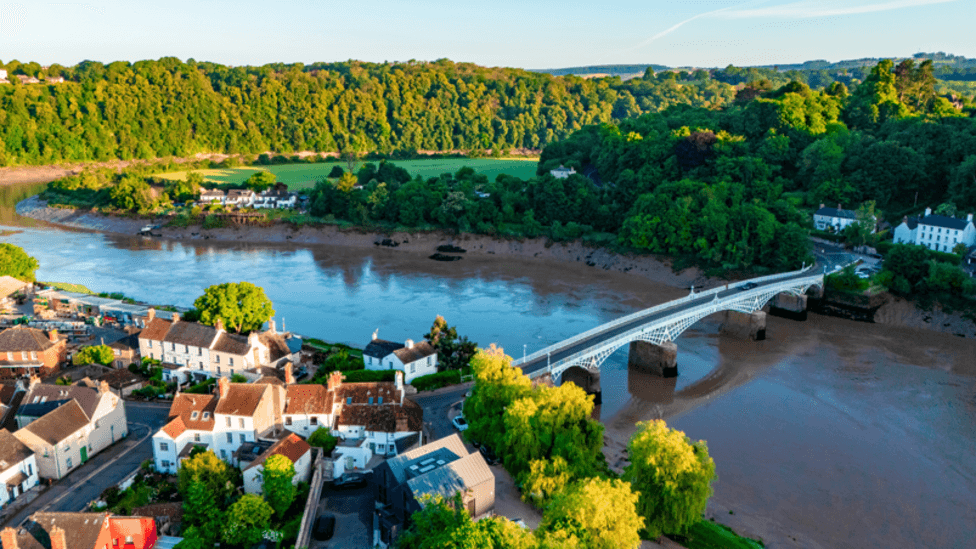
Chepstow's Grade I listed Wye Bridge has partially reopened to pedestrians and cyclists, following months of complete closure. The 210-year-old structure, a vital link between Monmouthshire, Wales, and Gloucestershire, England, had been closed to vehicles since October after cracks were discovered in its structural beams. Pedestrian access was also suspended in March, leading to significant frustration among local communities.
Temperature Sensitivity Poses Ongoing Challenge
Specialist engineers have advised that the bridge, renowned for its sensitivity to temperature changes and load, must close again if temperatures rise above 30°C or fall below -3°C. This directive comes as a heatwave is forecast for Europe, with Chepstow temperatures expected to reach 28°C on Sunday and 29°C on Monday. Monmouthshire Council stated the bridge would remain under close review and could face further closures if additional deterioration of its cast iron girders is identified.
Councillor Peter Strong described the bridge as “very difficult to repair” but also “quite iconic” and a crucial part of the region's cross-border history. The council's cabinet member for climate change and the environment, Catrin Maby, emphasised that public safety is the “top priority” and that the decision to reopen to pedestrians was guided by specialist engineering advice and ongoing monitoring.
Community Impact and Future Uncertainties
While motorists have been diverted to the newer A48 Wye Bridge, the closure of the Old Wye Bridge has had a profound impact on local identity and daily life. Residents on the English side of the border, such as those in Tutshill and Sedbury, often utilise Welsh services, including the NHS and Welsh Water, underscoring the complex cross-border connections fostered by the bridge. Councillor Armand Watts highlighted the “lot of frustration from the community” and tourists, expressing hope for its full reopening, potentially with weight restrictions for vehicles.
Conversely, some residents, including Amy Ryan, have welcomed the bridge's closure to vehicles, citing reduced noise and pollution. Ryan noted the structure's vulnerability to heavy goods vehicles, which caused her 159-year-old property to “literally shake.”
Work to facilitate pedestrian access involved opening a one-metre section of the carriageway between Chepstow and Tutshill. A Category III structural safety assessment, the highest level, is now underway to determine the bridge's long-term fitness for full reopening and to assess metal fatigue at critical points.