Delhi Gymkhana Club Faces Eviction Order, Government Cites Defence Infrastructure Needs
The Delhi Gymkhana Club, a long-standing symbol of elite power and influence in India's capital, is facing a government eviction order. The federal government, which owns the land, has directed the club to vacate its 27.3-acre site on Safdarjung Road by 5 June, declaring the area a "highly sensitive and strategic" zone.
The government's notice explicitly states the land is required for "defence infrastructure and other vital public security purposes," asserting that the club's lease is terminated with "immediate effect." Club members have challenged this directive in court, leading to a Delhi High Court hearing.
During the proceedings, the federal government informed the court it would not immediately seize the land on 5 June. Any future eviction action would be preceded by a formal legal notice, allowing the club, its staff, and members to contest the move further.
Debates on Privilege and Heritage
This government intervention follows years of scrutiny of elite institutions by Prime Minister Narendra Modi's administration. The action has intensified existing debates concerning privilege, heritage, and the allocation of public land in Delhi.
The Gymkhana, founded in 1913, has long been a preserve of retired generals, senior bureaucrats, and established business families. Its membership process is notably restrictive, prioritising senior civil servants and defence officers, leading critics to argue it perpetuates inequality.
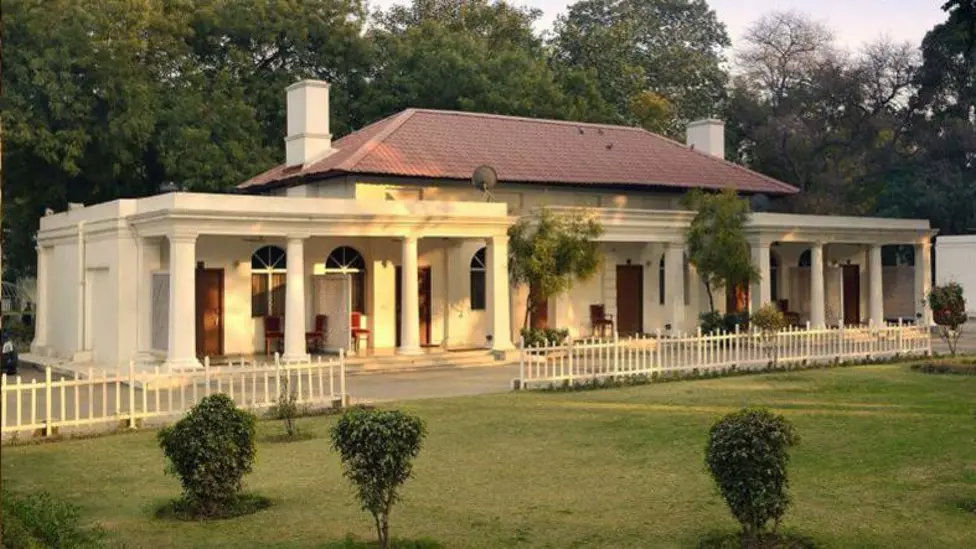
The club's colonial origins are evident in its architecture, designed by Robert Tor Russell in the 1930s. It was a place where Westernised Indian Civil Service officers assimilated into imperial society and where British Indian Army officers gathered for farewells before the 1947 Partition.
This historical significance has triggered an unexpected wave of nostalgia among some Delhi residents, despite the club's perceived elitism. Former police officer Kiran Bedi called the eviction "unfortunate and tragic," viewing the Gymkhana as integral to Delhi's sporting and institutional heritage.
However, journalist Prabhu Chawla criticised such clubs as exclusionary entities operating on heavily subsidised public land. BJP spokesperson RP Singh countered, stating the government's actions are entirely within legal bounds, given that the property is leased from the state.
Beneath the legal and political arguments, the potential closure evokes a deeper emotional response, reflecting a sense of loss in a city constantly undergoing transformation. For many, the Gymkhana represents one of the last remaining vestiges of an older Delhi, a repository of memories from different eras.