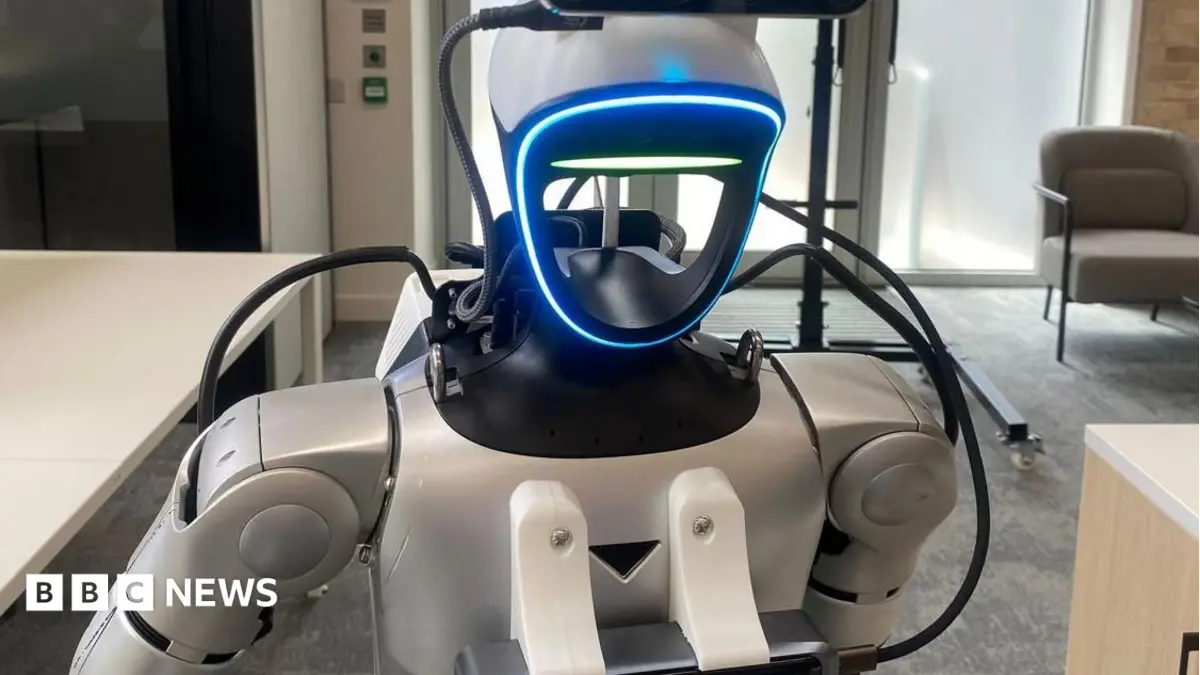
Digital Twins Crucial for Robotic System Development and Deployment
The development of sophisticated robotic systems increasingly relies on virtual training environments, often referred to as 'digital twins'. These meticulously constructed digital replicas of physical spaces allow robots to learn, practise, and refine their operational parameters without ever interacting with the real world.
For example, a robotic arm destined for a factory floor can perform millions of simulated movements within its digital twin, identifying and correcting potential collisions or inefficiencies before a single piece of hardware is manufactured. This methodology significantly reduces development costs, accelerates deployment, and enhances the safety of subsequent real-world operations.
The concept extends beyond industrial applications. Autonomous vehicles, for instance, are trained extensively in virtual cities that mirror real street layouts, traffic patterns, and environmental conditions. This rigorous simulation allows AI drivers to encounter and learn from rare or dangerous scenarios that would be impractical or unsafe to replicate physically.
Specialised software platforms facilitate the creation of these digital twins, providing developers with tools to model physics, sensor inputs, and object interactions with high fidelity. The ability to iterate rapidly in a controlled, virtual setting is deemed essential for producing robust and reliable robotic technologies capable of navigating complex and unpredictable environments.