Donald Trump Claims Iran War Deal Close, Tehran Dismisses Report as Speculation
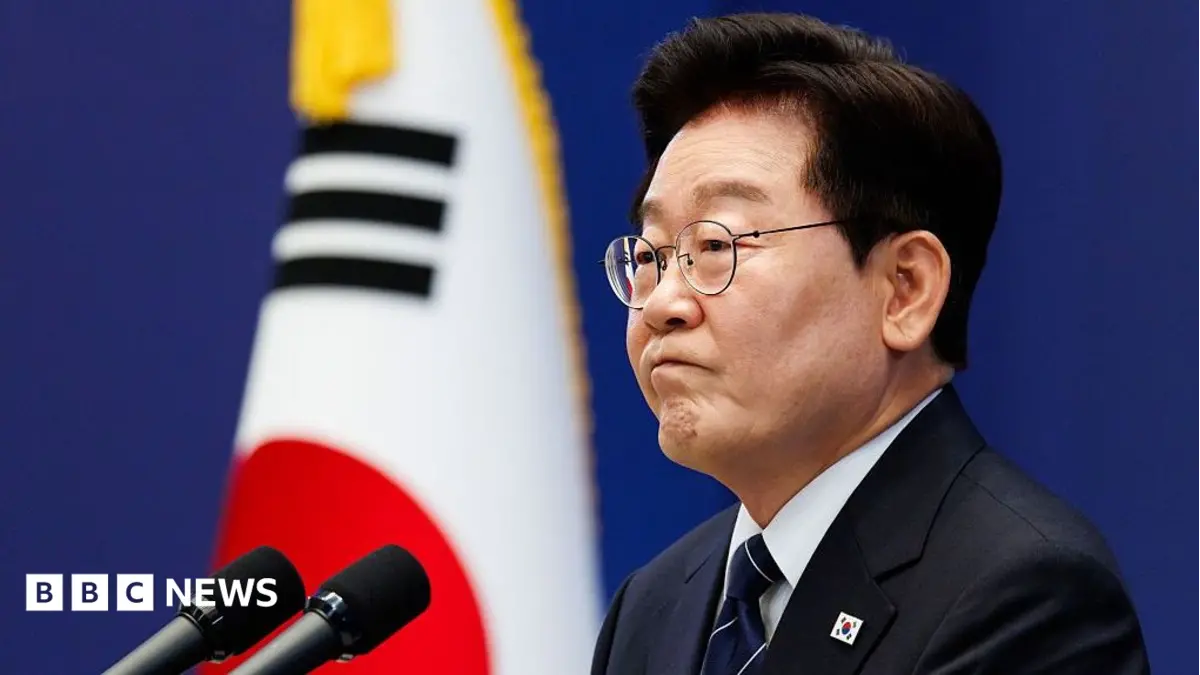
US President Donald Trump declared on Thursday that a deal to end the war with Iran was nearing completion, following his decision to cancel a third consecutive night of military strikes. Trump informed reporters that negotiators had "just made a great settlement" with Iran, contingent on the finalisation of documents within days, potentially culminating in a signing ceremony in Europe.
Tehran Contradicts US Claims
Contrary to Trump's optimistic pronouncements, Esmail Baghaei, spokesperson for Iran's foreign ministry, told state television that reports of an agreement were "speculative" and that "nothing has been finalised." This direct contradiction mirrors previous instances where Trump claimed an impending deal with Iran which ultimately failed to materialise.
The current conflict began on 28 February with extensive US and Israeli strikes on Iran, which tragically included an attack on an Iranian primary school, resulting in hundreds of civilian deaths, including 110 children. Iran retaliated against Israel and US-aligned Gulf states, subsequently impacting the crucial Strait of Hormuz shipping route.
Economic Implications and Regional Reactions
Following Trump's latest comments, the price of Brent crude plummeted to approximately $89 a barrel, representing a 4.4% daily decline. Trump claimed the deal would ensure Iran never acquires nuclear weapons and that the Strait of Hormuz would reopen immediately upon signing. He also asserted that leaders across the Middle East, including Gulf allies and Israeli Prime Minister Benjamin Netanyahu, were "very happy" with the prospective agreement.
Netanyahu's office confirmed a conversation with Trump but clarified that Israel "is not a party to the memorandum of understanding," expressing appreciation for Trump's commitment to a final agreement that would include "the removal of enriched material, the dismantling of enrichment infrastructure, limits on missile production, and the cessation of Iran's support for its terrorist proxies in the region."
Baghaei reiterated that while much of the memorandum's text was finalised, the US had introduced "excessive demands" and "new requests," emphasising Iran's refusal to "depart from its red lines." The White House has consistently pushed for a swift resolution to end the conflict, address Strait of Hormuz security, and curb Tehran's nuclear ambitions, despite ongoing intermittent exchanges of fire and previous breakdowns in negotiations.
Recent Military Actions and International Calls for De-escalation
Hours before his latest statements, Trump had threatened to hit Iran "very hard tonight" and seize Kharg Island, Iran's primary oil export terminal. Iran's military warned of severe retaliation if further attacks occurred, stating that oil and gas exports would either be for everyone or no-one. These threats followed recent tit-for-tat strikes, including a US Central Command wave targeting Iranian military sites and Iran's Islamic Revolutionary Guard Corps launching strikes against American bases in Bahrain, Kuwait, and Jordan, injuring an 11-year-old girl in Bahrain.
The US has also fired upon nine vessels, including three this week, in an effort to enforce its blockade on Iranian ports. International bodies and several nations, including Pakistan, Russia, China, Turkey, India, and Saudi Arabia, have urged de-escalation, with a UN spokesperson expressing deep concern over the continuing escalation in the Middle East and calling for a return to the ceasefire's full implementation.