Donald Trump Confirms Direct Talks with Taiwan’s President Lai Ching-te Ahead of Arms Deal Decision
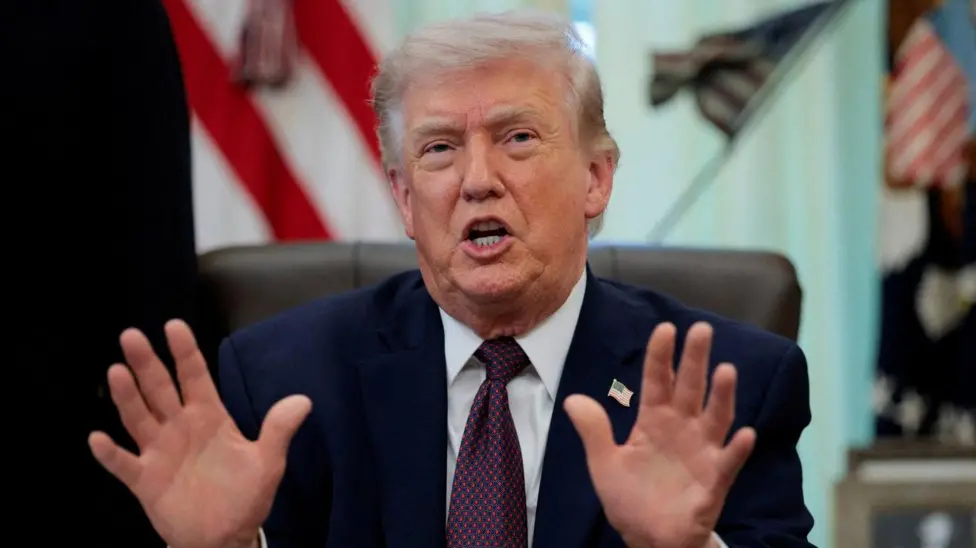
Former US President Donald Trump has confirmed his intention to hold direct discussions with Taiwanese leader Lai Ching-te regarding a proposed $14 billion arms sale. This move would represent a significant deviation from the United States' long-standing diplomatic practice, which has seen no direct contact between US and Taiwanese leaders since 1979, following Washington's recognition of Beijing's 'One China' policy.
China maintains its claim over Taiwan as an inseparable part of its territory and has not renounced the use of force to achieve unification. The US, while adhering to its 'One China' policy, is simultaneously bound by the Taiwan Relations Act to provide the island with defensive capabilities. Previous direct engagement by Trump as president-elect in 2016 with then-Taiwanese leader Tsai Ing-wen provoked a strong protest from Beijing.
President Lai Ching-te, who assumed office in 2024, has been a vocal proponent of strengthening Taiwan's defence posture amidst increased military pressure from mainland China. When questioned about a potential conversation with Lai prior to a decision on US arms sales, Trump stated, "I'll speak to him. I speak to everybody… we'll work on that, the Taiwan problem."
A Chinese foreign ministry spokesperson on Thursday reiterated Beijing's staunch opposition to "official exchanges between the United States and Taiwan" and US arms provisions to the island, urging Washington to "stop sending wrong signals to the separatist forces in Taiwan."
The proposed arms package reportedly includes anti-drone equipment and advanced air-defence missile systems. Trump indicated that he had not yet finalised a decision on the sale. Reports suggest that Beijing is currently obstructing a visit by a senior Pentagon official, Elbridge Colby, pending Trump's determination on the arms deal. Separately, Trump also claimed to have discussed arms sales to Taiwan "in great detail" with President Xi Jinping during a recent summit, a assertion that, if true, would contradict a 1982 US assurance to Taiwan not to consult Beijing on such matters.