UK Net Migration Falls to 171,000, Lowest Since 2012 Excluding Pandemic
Net migration to the UK totalled 171,000 people in the year to March 2026, marking a substantial reduction from the previous year. This figure represents the lowest level since 2012, excluding the period of the Covid pandemic, according to recently released Home Office statistics.
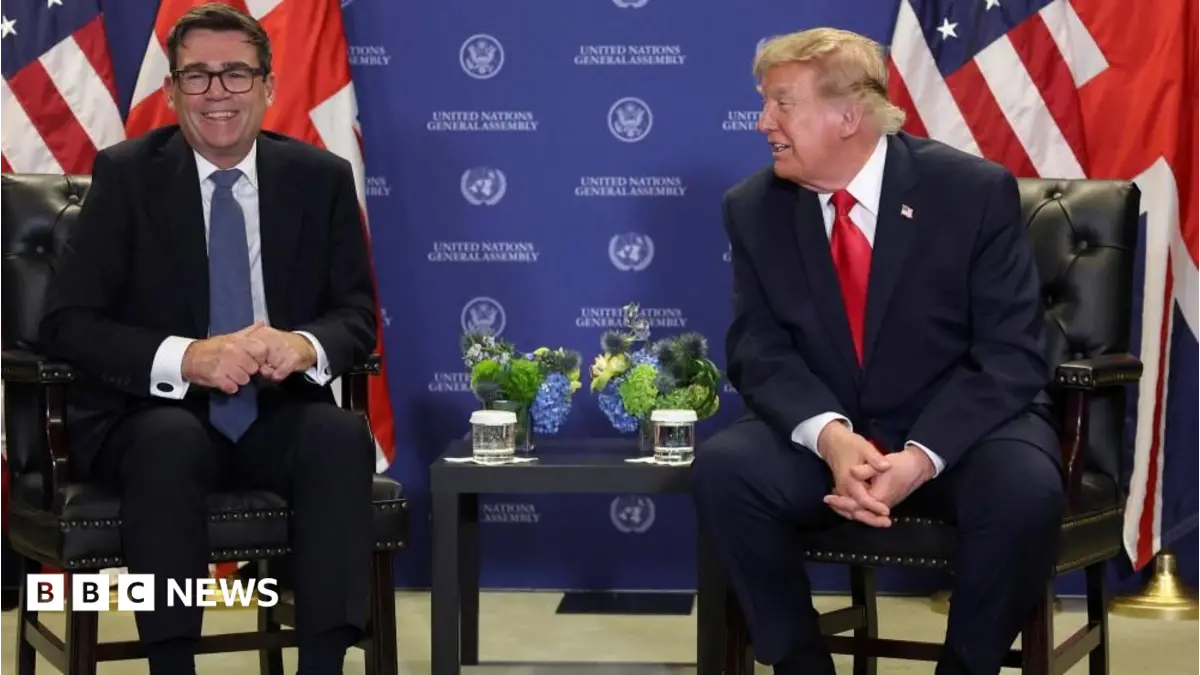
Prime Minister Sir Keir Starmer acknowledged the reduction, stating that his government was "delivering" but conceded there was "more to do." Home Secretary Shabana Mahmood asserted the figures demonstrated the government was "restoring order and control to our borders."
Despite the overall drop in net migration, the data also highlighted that 93,525 individuals claimed asylum in the UK during the same period. While this is a 12% decrease from the preceding year, it remains more than double the number recorded immediately prior to the pandemic.
The Office for National Statistics (ONS) noted that the recent decline in net migration was primarily driven by fewer arrivals from outside the EU, particularly for work. Policy alterations implemented since early 2024, including restrictions on dependants for most overseas students and care workers, alongside increased salary thresholds for skilled visas and family visas, are cited as contributing factors. The current government has upheld these measures and announced further plans, such as requiring A-level standard English proficiency for migrants and increasing the skilled worker visa income threshold to £41,700.
The number of asylum seekers housed in hotels fell to 20,885 by March 2026, down from a peak of 56,000 in September 2023 under the previous Conservative administration. This reduction addresses a contentious political issue that led to protests across the country.
Ben Brindle of the University of Oxford's Migration Observatory observed that the economic impact of migration was shifting. He indicated that migration from groups typically making positive or neutral economic contributions had decreased, while "asylum-related migration remains high." Brindle suggested this shift means the composition of recent migration has likely become "less favourable from an economic perspective," given the lower employment rates and increased state support often required by refugees.