Donald Trump Declares Iran War Deal Signed, Strait of Hormuz Reopens Friday
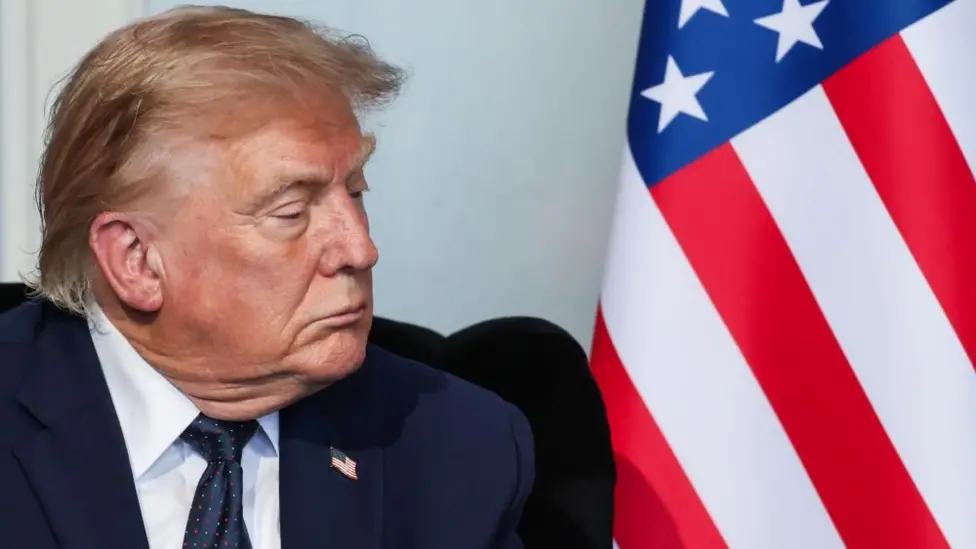
US President Donald Trump has confirmed the signing of a preliminary agreement to end the war with Iran, stating that further details are imminent. Speaking during talks with French President Emmanuel Macron at the G7 summit, Trump declared, "I am very happy to say it's signed, the deal is all signed."
Senior US officials have indicated that the Strait of Hormuz will reopen on Friday, the same day the agreement is formally inked in Geneva. Technical discussions regarding Iran's nuclear programme are anticipated to commence this week. Any relief from sanctions or release of frozen assets remains contingent on Iran fulfilling its commitments under the deal.
The agreement was reportedly signed electronically by Trump, Vice President JD Vance, and Iranian Parliament Speaker Mohammad Bagher Ghalibaf. While Trump suggested the full text would be released "pretty soon" after Friday's ceremony, officials hinted at more details being published by Wednesday.
The deal establishes a 60-day ceasefire period for negotiating the specifics of a final agreement. Pakistan's Prime Minister Shehbaz Sharif, a key mediator, announced the breakthrough, stating it included the "immediate and permanent termination of military operations on all fronts, including in Lebanon".
However, US officials clarified that while Lebanon is covered by the ceasefire, the withdrawal of Israeli forces from Lebanese territory is not a condition. Israel, they added, retains its right to self-defence. Israeli Prime Minister Benjamin Netanyahu subsequently affirmed that Israeli forces would remain in security zones in Lebanon, Syria, and Gaza "as long as necessary" and would retain freedom to act against perceived threats. Netanyahu also reiterated Israel's stance that Iran would not be permitted to obtain nuclear weapons, irrespective of any deal.
Shortly after the peace deal announcement, Lebanese media reported a deadly Israeli strike on a car in southern Lebanon, prompting Hezbollah to retaliate with missiles and drones against Israeli forces.
Trump had previously ordered the immediate lifting of a US naval blockade on Iranian ports, asserting the Strait of Hormuz would open upon the initial agreement's signing. He later claimed via social media that "ships are starting to move, many loaded up with Oil, out of the Strait of Hormuz".
Iran's Deputy Foreign Minister Kazem Gharibabadi confirmed the cessation of military operations on state television, framing the framework deal as a victory for Iran. He cited "nearly 14 to 15 hours of lengthy talks" in Tehran, facilitated by Qatari mediators. Iran's top military command, Khatam al-Anbiya Central Headquarters, declared that the collective efforts of Iranians, their armed forces, and regional allies had compelled the US and Israel to "accept defeat and surrender".
Despite this, Iran's foreign ministry expressed "deep mistrust" of the US, characterising the agreement as "merely a step towards reducing tensions." Lebanese President Joseph Aoun welcomed the announcement, hoping the understandings would translate into "practical steps that will put a definitive end to the cycle of violence."
Previous sticking points included Iran's nuclear enrichment and Western insistence against Iran possessing nuclear weapons, alongside Iran's demand for comprehensive sanctions relief and access to billions in frozen oil revenues. JD Vance stated that the agreement prevents Iran from acquiring nuclear weapons and includes US verification measures. The leaders of the UK, France, Germany, and Italy issued a joint statement affirming that Iran "must never acquire a nuclear weapon" and expressed readiness to "lift relevant sanctions in response to clear, verifiable steps by Iran on its nuclear programme."
UK Prime Minister Sir Keir Starmer hailed the announcement as "a hugely important step forward in ending the war, ensuring regional stability and re-opening the Strait of Hormuz."