Donald Trump Nears 80, Renewing Scrutiny on Octogenarian US Workforce Participation
Donald Trump's 80th birthday has highlighted the increasing presence of octogenarians within the US workforce, from medical practitioners to top political office. Trump, set to become the second oldest US leader after Joe Biden, is among a growing cohort of older Americans remaining professionally active.
Octogenarians in the Workforce
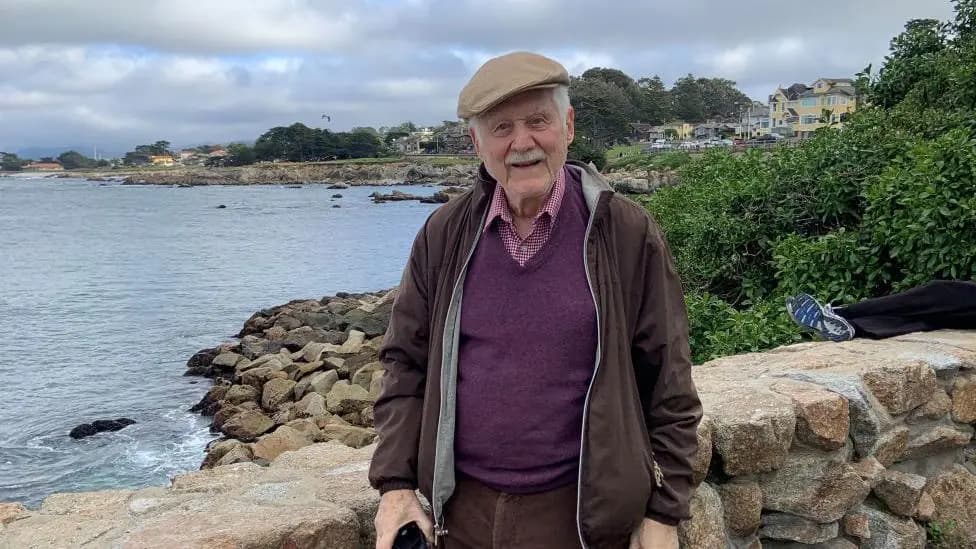
Data indicates a substantial rise in US citizens aged 65 and older who remain employed, quadrupling since the mid-1980s to approximately 19% of this demographic. This includes prominent figures such as 24 current members of Congress over 80, with Senator Chuck Grassley, aged 92, being the oldest lawmaker. Arthur Rose, a physician, retired this February at 95 after over 65 years in practice, citing a loss of exhilaration.
Several factors contribute to this trend. Enhanced access to healthcare means more individuals are reaching their 80s. Financial pressures, including the rising cost of living, compel some retirees to consider part-time work. Additionally, a desire for social engagement and a shifting perception of age, focusing on qualification over chronological age, are cited by experts like Gordon Lithgow of the Buck Institute for Research on Aging.
Challenges and Perceptions of Age
While experience is a clear benefit, concerns regarding age-related issues such as cognitive decline and reduced stamina in demanding roles remain pertinent. These concerns were notably raised about Joe Biden, contributing to his withdrawal from the 2024 presidential race. Similar questions have surfaced regarding Trump's health as he approaches 80. Democrat Ted Lieu presented videos suggesting Trump dozing during meetings, which Secretary of State Marco Rubio dismissed as 'absurd', countering that Trump 'doesn't sleep'.
Trump's physician, following a recent medical examination, declared him in 'excellent health', attributing minor hand bruising to 'frequent handshaking in the setting of aspirin use for cardiovascular prevention'. However, Lithgow emphasises that chronic stress and insufficient rest can accelerate biological ageing, highlighting sleep as crucial for cellular repair and recovery.
Harriet Newman Cohen, a 93-year-old matrimonial lawyer, credits her work for keeping her 'young, vigorous, energetic, knowledgeable, fun,' maintaining an active practice and social life, including ensuring over eight hours of sleep nightly. Both Cohen and Rose found a significant sense of purpose in their professions. Lithgow identifies income, access to healthcare, diet, exercise, and rest as stronger protectors against accelerated ageing than genetics, underscoring the advantage afforded by superior resources.