DR Congo Ebola Outbreak Declared Public Health Emergency Amid Conflict in Ituri Province
A public health emergency of international concern has been declared by the World Health Organisation following an Ebola outbreak in the Democratic Republic of Congo. This particular outbreak is caused by the Bundibugyo species of Ebola, a rare strain not seen for over a decade and for which there is currently no approved vaccine.
The challenges in controlling this outbreak are compounded by its occurrence within a conflict zone in the eastern DR Congo, specifically Ituri province, where a quarter of a million people are displaced. The movement of populations across porous borders further complicates efforts to trace and isolate cases.
The first identified case, a nurse who died in Bunia, developed symptoms on 24 April, indicating a period of undetected spread. The true scale of the outbreak remains unclear, making the identification of infected individuals and their contacts a significant undertaking. The nurse's body was repatriated to Mongwalu, a gold-mining town reporting a majority of cases, where exposure during the funeral ceremony is believed to have contributed to the virus's rapid spread.
Local health officials report that initial delays in reporting were due to communities attributing the illness to 'witchcraft,' leading individuals to seek non-medical treatment. The outbreak has now reached Goma, a major city under rebel control, and has also seen a fatality and another case in Uganda's capital, Kampala, involving Congolese nationals who recently travelled from the DR Congo.
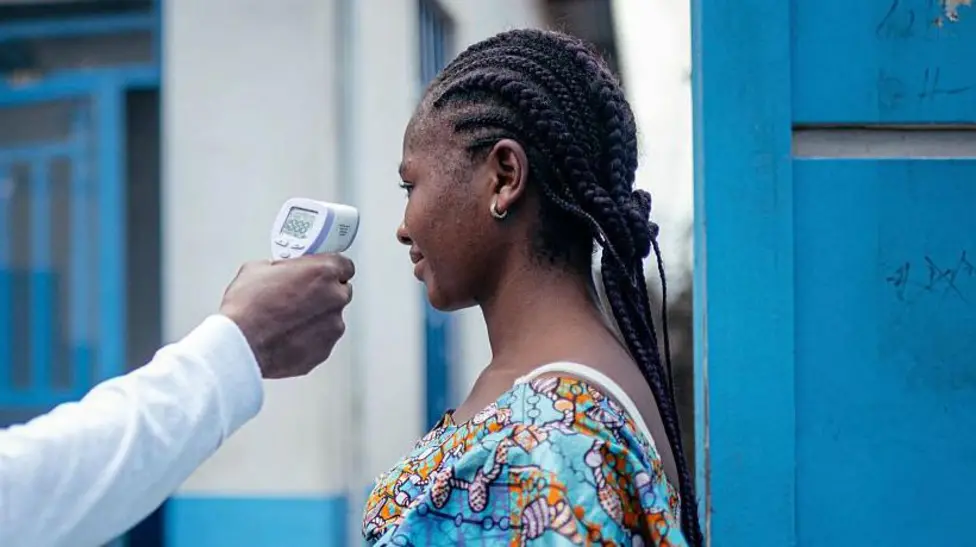
Organisations including the World Health Organisation and Médecins Sans Frontières are establishing treatment centres and developing response plans. While the emergency declaration highlights the severity, the risk of Ebola spreading beyond East Africa is deemed minimal.