DR Congo Ebola Outbreak Sees 600 Suspected Cases, 139 Deaths as Virus Spreads to Uganda
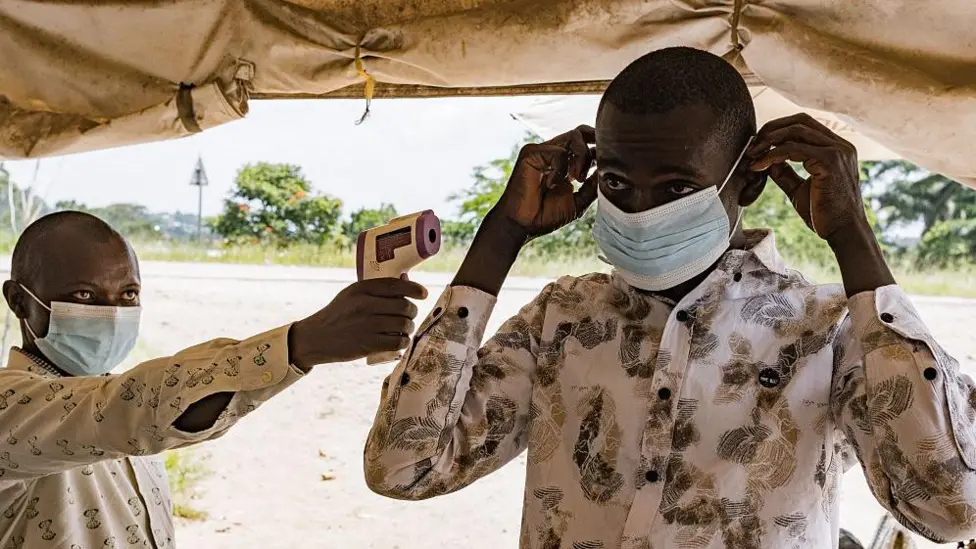
The World Health Organization (WHO) reports 600 suspected cases of Ebola and 139 suspected deaths across the Democratic Republic of Congo (DRC) and Uganda. Fifty-one cases are confirmed in DRC's eastern Ituri and North Kivu provinces, with two further confirmations in Uganda's capital, Kampala. One of the individuals confirmed in Uganda, who had travelled from DRC, has died.
Dr. Tedros Adhanom Ghebreyesus, WHO chief, speaking in Geneva, indicated the outbreak of the Bundibugyo species of Ebola likely began several months prior. He noted that despite the declaration of a public health emergency of international concern, the situation does not constitute a pandemic at a global level, although the risk remains high regionally.
Healthcare workers are among the fatalities, raising particular alarm within response efforts. Investigations are under way to determine the virus's spread duration, though curbing transmission remains the immediate priority. The initial known case was a nurse who died on 24 April in Bunia, Ituri province, with her body repatriated to Mongwalu, a gold-mining town heavily affected by the outbreak.
DRC is confronting its 17th Ebola outbreak, but the Bundibugyo species presents unique challenges. This strain, unseen for over a decade, has no approved vaccine, though experimental options are being developed. A vaccine for the more common Zaire species may offer some cross-protection. The absence of targeted drugs for Bundibugyo further complicates treatment.
Dr. Ghebreyesus addressed criticisms regarding the WHO's timing in identifying the outbreak, suggesting a lack of understanding of the rapid actions taken in a highly complex operational environment. The eastern DRC's prolonged conflict exacerbates efforts to control the virus, whose initial symptoms mimic common regional illnesses such as malaria and typhoid.