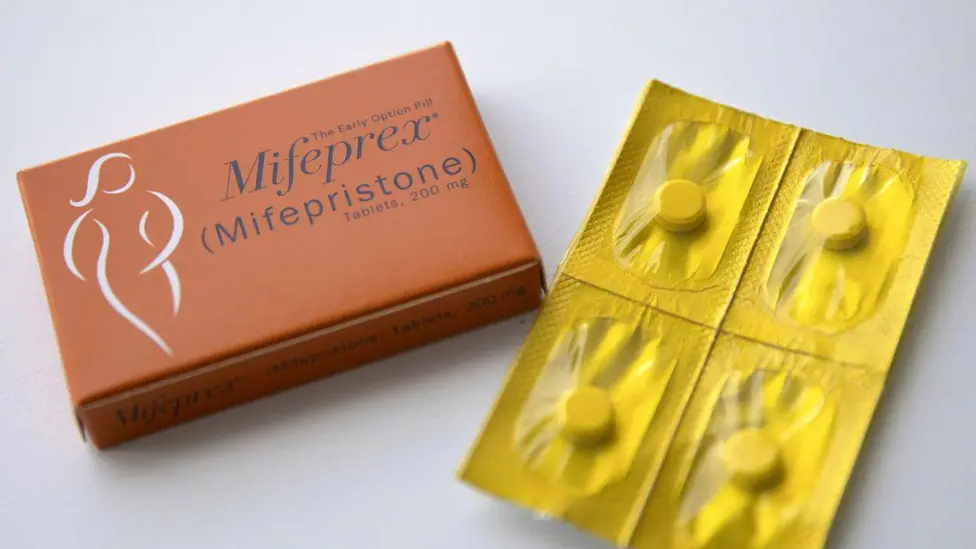
Fifth Circuit Court Curbs Mail-Order Mifepristone Access, Reinstating In-Person Dispensing Requirement
The Fifth Circuit Court of Appeals issued an order on Friday that severely limits access to mifepristone, the primary medication used in abortions. The ruling reinstates a requirement for abortion pills to be obtained in person, effectively halting the ability to receive them via mail or through pharmacy telemedicine services.
Impact on Abortion Access
This judicial intervention specifically curtails access to medication abortion, which represents the most common method of pregnancy termination across the United States. Its effects will be most keenly felt in states where abortion is already subject to bans, further complicating access for individuals in those regions.
The court's decision originates from a lawsuit initiated by the state of Louisiana. It effectively suspends a 2023 regulation from the Food and Drug Administration (FDA) that had permitted healthcare providers to dispatch the pills without requiring an in-person consultation with patients. The appellate court justified its stance by stating, "Every abortion facilitated by FDA's action cancels Louisiana's ban on medical abortions and undermines its policy that 'every unborn child is human being from the moment of conception and is, therefore, a legal person.'"
Mifepristone serves as the initial component of a two-pill regimen endorsed by the FDA for ending pregnancies and remains widely available in states where abortion is legally permissible. Its distribution was expanded in April 2021 when the FDA waived the in-person dispensing requirement during the Covid-19 pandemic, a measure made permanent in 2023, allowing for mail-order delivery.
Legal Challenges and Reactions
Despite a unanimous rejection by the US Supreme Court in 2024 of a previous attempt to restrict mifepristone access, that decision, rendered two years after the nationwide abortion guarantee was rescinded, left scope for further legal challenges to the drug's availability. The latest appellate court order also overturns a lower court's ruling earlier this month which had paused the case during an FDA review initiated by the Trump administration.
Julia Kaye, an attorney with the American Civil Liberties Union (ACLU), condemned the decision, stating, "This decision defies clear science and settled law and advances an anti-abortion agenda that is deeply unpopular with the American people." Kaye further warned that "For countless people, especially those who live in rural areas, face intimate partner violence, or live with disabilities, losing a telemedicine option will mean losing access to this vital medication altogether."
Conversely, Louisiana Attorney General Liz Murrill applauded the court's action, alleging that the Biden-era rule had "facilitated the deaths of thousands of Louisiana babies (and millions in other states)."
New York Attorney General Letitia James affirmed that abortion access would remain legal in her state regardless of the appellate court's ruling. James emphasised, "Mifepristone is safe, effective, and essential," and concluded, "Restrictions on abortion care are restrictions on life-saving health care. This decision puts lives at risk."
Mifepristone functions by blocking progesterone, a hormone crucial for sustaining pregnancy. The subsequent drug, misoprostol, facilitates the emptying of the uterus. The FDA initially approved mifepristone in September 2000 for medical termination of pregnancy up to seven weeks' gestation, extending its approved use to 10 weeks in 2016. Both mifepristone and misoprostol have been deemed safe for use by the FDA, the American College of Obstetrics and Gynaecologists (ACOG), and other prominent medical organisations for over two decades. US studies indicate the two-step regimen is approximately 95% effective in ending pregnancy, with less than 1% requiring further medical follow-up.