House of Lords Expels Last Hereditary Peers, Ending 700-Year Parliamentary Practice
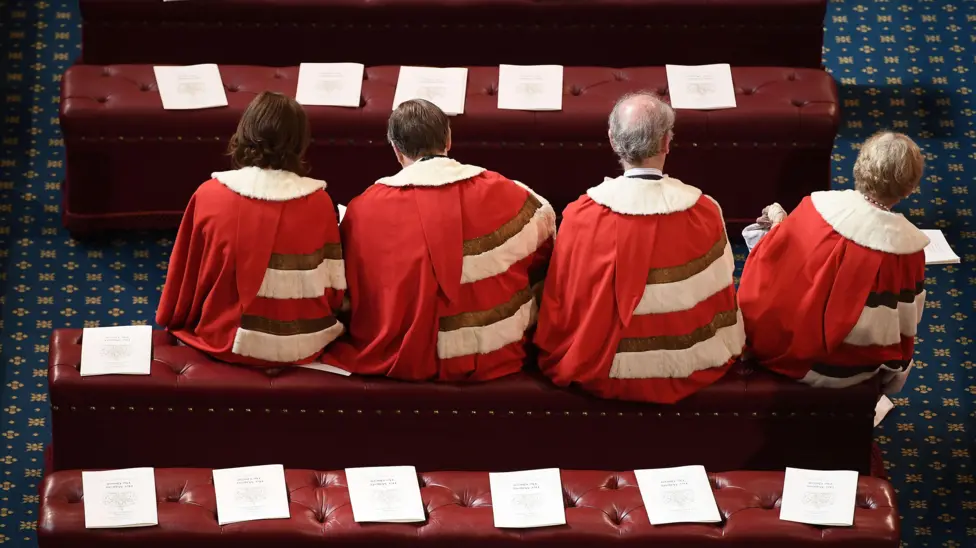
The House of Lords has completed a significant restructuring, with the last hereditary peers vacating their red leather benches. This move finalises an overhaul initiated a quarter of a century ago, ending a system where parliamentary seats were inherited through family lineage.
While the majority of hereditary peers lost their right to sit in 1999, a compromise deal allowed 92 to remain. A new law, enacted as the parliamentary session concluded, now removes these remaining seats. Lord Forsyth of Drumlean, the Lord Speaker, acknowledged their service, noting their historical contribution to British institutions over nearly a millennium.
However, the transition is not absolute for all. Fifteen Conservative hereditary peers, along with some crossbenchers, will be appointed as life peers. The government stated this measure ensures the Lords 'can continue to function effectively' and preserves 'the experience of some departing hereditary peers'. This decision has prompted concerns about the expansion of prime ministerial patronage.
Lord Strathclyde, a departing Conservative hereditary peer, condemned the change, describing it as a 'sad and miserable day'. He argued that the hereditary peers, representing only 10% of the House, provided a 'historical perspective' and that their removal shifts power excessively towards politically appointed members. Lord Salisbury, instrumental in the 1999 reforms, echoed these sentiments, suggesting that a purely nominated chamber amplifies the prime minister's power of patronage, advocating instead for indirectly elected members from local government to ensure a more balanced and representative second chamber.