First Personalised Cancer Vaccine Reduces Melanoma Recurrence in Landmark Trial
A personalised cancer vaccine has shown promising results in a phase three clinical trial, significantly reducing the risk of melanoma returning in patients. The experimental therapy, known as mRNA-4157 (V940), is co-developed by Moderna and MSD (Merck outside North America).
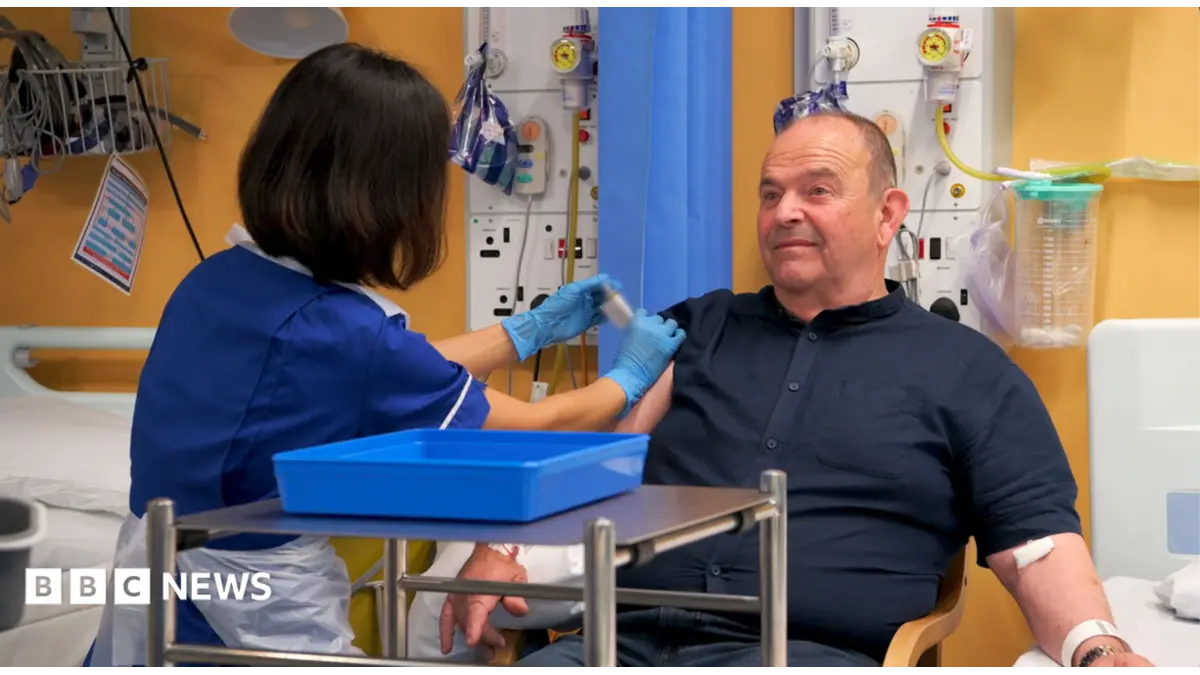
The trial involved patients who had their melanoma surgically removed but remained at high risk of recurrence. Participants received either the personalised vaccine alongside Keytruda (pembrolizumab), an established immunotherapy drug, or Keytruda alone.
Results indicated that the combined therapy cut the risk of the cancer returning or death by 49% over three years, compared to Keytruda monotherapy. After two years, the reduction was 44%. These figures build upon earlier phase two data, which showed a 44% reduction in recurrence or death and a 65% reduction in distant metastasis or death.
The vaccine is designed by analysing a patient's tumour after surgical removal to identify unique mutations. Messenger RNA (mRNA) technology is then used to create a bespoke vaccine, stimulating the immune system to recognise and target these specific cancer cells, preventing their return. This approach marks a substantial shift towards highly individualised cancer care, leveraging the body's own defences.
Melanoma, the most aggressive form of skin cancer, is responsible for the majority of skin cancer deaths. The promising outcomes from this trial suggest a potential new frontier in treating a range of cancers.