Foreign Office Facilitates Repatriation for 23 Britons on Hantavirus-Stricken MV Hondius
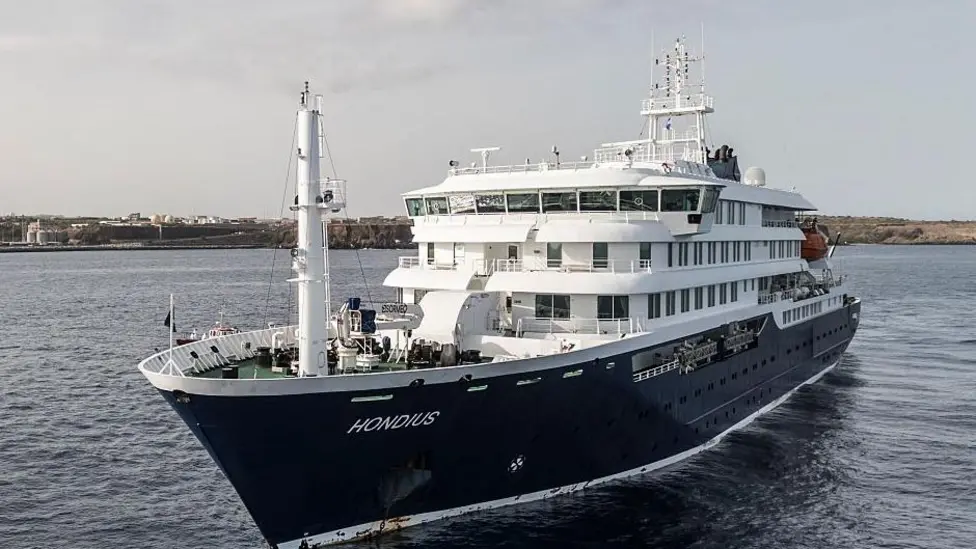
The Foreign Office has confirmed it is expediting the repatriation of British nationals aboard the MV Hondius, a cruise ship where a deadly hantavirus outbreak has claimed three lives. Oceanwide Expeditions reported that 19 British passengers and four British crew members are currently on the vessel.
Medical Evacuations Underway
Among those evacuated for medical treatment was a 56-year-old British doctor, now in a stable condition. Foreign Secretary Yvette Cooper described the situation as “very serious and deeply stressful.” The World Health Organisation (WHO) confirmed that three individuals exhibiting symptoms, including the British doctor, a 41-year-old Dutch crew member, and a 65-year-old German national, were airlifted to the Netherlands for care.
The MV Hondius, which departed from Argentina a month prior, has been granted permission by Spanish authorities to dock in the Canary Islands. This decision came despite reservations from local officials regarding the public health implications. Approximately 150 individuals remain on board, subject to strict precautionary measures.
International Coordination and Public Health
The UK Health Security Agency (UKHSA) is leading the UK’s response, collaborating with the WHO and consular staff who are in direct contact with British nationals. Efforts are focused on ensuring the safe return of all British citizens while implementing robust public health protections. The UKHSA is also assisting the governments of St Helena, Tristan de Cunha, and Ascension Island with isolation protocols, contact tracing, and response strategies.
Spanish Health Minister Monica Garcia stated that all passengers will disembark at Granadilla port in Tenerife. Spanish nationals will undergo quarantine in Madrid, while symptom-free passengers from other countries will be repatriated. Hantavirus, transmitted by rodents, presents symptoms including fever, fatigue, and gastrointestinal issues. Despite the outbreak, the UKHSA maintains that the risk to the general UK population remains “very low.”