M4 Newport Relief Road: Parties Clash Over Construction and Funding Ahead of 7 May Election
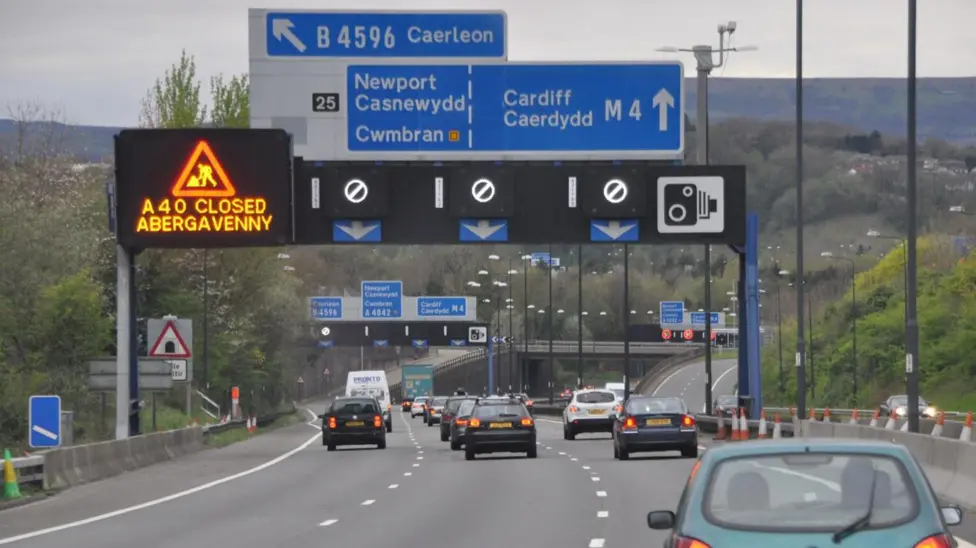
A new motorway project south of Newport, first mooted in 1991, has again become a key debate point in the Senedd election campaign, despite its cancellation in 2019 by former First Minister Mark Drakeford. The persistent congestion around the Brynglas Tunnels continues to vex commuters, with average daily eastbound vehicle counts between flanking junctions reaching 81,578 in 2024.
Parties Divided on Road's Future
Reform UK and the Welsh Conservatives have committed to building the relief road that Drakeford previously scrapped. Reform UK leader Nigel Farage has suggested private funding and a toll, or potentially utilising a "Reform-instituted British Sovereign Wealth Fund" – a proposal contingent on winning a UK general election. Reform's Dan Thomas also mooted diverting funds from railway projects, a position complicated by the differing governmental control over road and rail budgets.
The Welsh Conservatives, while also supporting the road, have not detailed their funding strategy, stating costs would be shared with "a future UK government" and opposing tolls.
Plaid Cymru leader Rhun ap Iorwerth expressed support for a "road answer" to M4 congestion, but indicated a Plaid government would first assess feasibility, affordability, sustainability, and environmental impact. The party previously supported a "blue route" — upgrading an existing trunk road — over the abandoned "black route" due to environmental protections for the Gwent Levels.
Conversely, Welsh Labour, the Wales Green Party, and the Welsh Liberal Democrats remain opposed to a new relief road. Welsh Labour upholds its 2019 decision, focusing instead on public transport and active travel. The Greens prioritise maintaining existing roads over new construction, while the Liberal Democrats call for broader infrastructure investment across Wales.
Cost and Environmental Concerns Persist
The estimated cost of the project in 2026 varies, with Tory Senedd leader Millar quoting £1.8bn and Reform's Thomas suggesting £1.5bn to £2bn. David Phillips of the Institute for Fiscal Studies (IFS) noted that while not "infeasible," funding such a project would necessitate "difficult trade-offs," potentially requiring cuts to other capital budget commitments or an increase in taxation, such as a penny on income tax rates, which could generate around £400 million annually.
Environmental groups, including Friends of the Earth Cymru, continue to oppose the relief road, warning that new construction leads to increased carbon emissions, air pollution, and diverts attention from public transport improvements. Concerns are particularly acute regarding the Gwent Levels, a unique landscape containing numerous Sites of Special Scientific Interest (SSSIs). Critics argue that such projects merely induce more traffic and represent an outdated approach to congestion management.