Germany Labels US Troop Withdrawal "Foreseeable" as NATO Seeks Clarification on Force Reduction
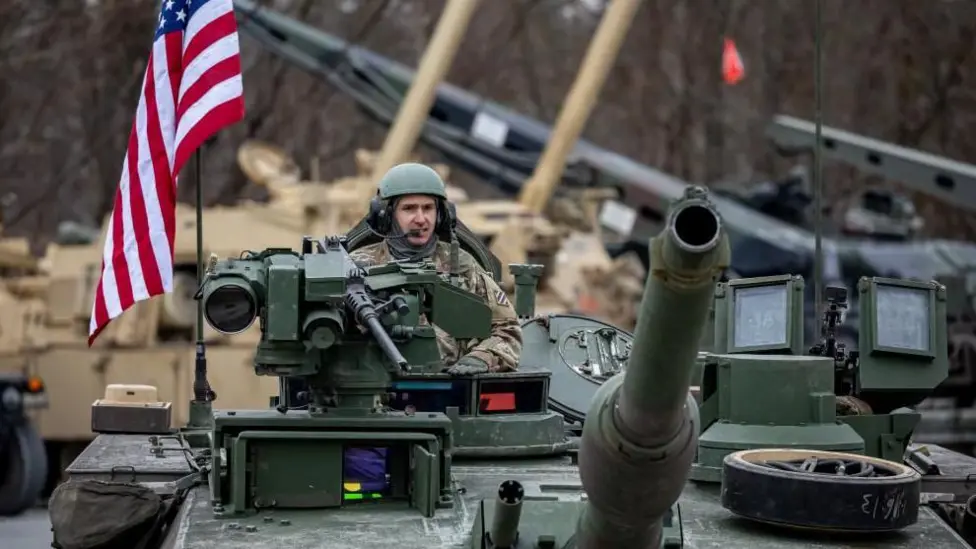
German Defence Minister Boris Pistorius stated that the US decision to withdraw 5,000 troops from Germany was "foreseeable," whilst NATO sought clarification from Washington regarding the move. Speaking to DPA news agency, Pistorius emphasised that the "presence of American soldiers in Europe, and particularly in Germany, is in our interest and in the interest of the US." NATO spokeswoman Allison Hart confirmed the alliance was "working with the US to understand the details of their decision."
This withdrawal follows President Donald Trump's criticisms of German Chancellor Friedrich Merz for suggesting the US had been "humiliated" by Iranian negotiators during ongoing hostilities. The US military maintains over 36,000 active duty troops in Germany, its largest European deployment. Trump has also indicated potential troop reductions in Italy and Spain, having previously reduced forces in Romania to reorient US military focus towards the Indo-Pacific.
Concerns are escalating within NATO that this latest US decision could weaken the alliance. Polish Prime Minister Donald Tusk warned that the "greatest threat to the transatlantic community are not its external enemies, but the ongoing disintegration of our alliance." He urged action to "reverse this disastrous trend." Two senior US Republican lawmakers, Senator Roger Wicker and Representative Mike Rogers, also expressed "very concerned by the decision to withdraw a US brigade from Germany," advocating for a "strong deterrent in Europe."
Pistorius asserted that Europe must assume greater responsibility for its security, with Berlin intending to enhance cooperation with continental allies. Germany has significantly increased its military expenditure, projecting €105.8bn (£91bn) on defence by 2027, reaching 3.1% of GDP when including other defence funds and aid to Ukraine. This contrasts with Trump's past criticisms of Germany's military spending falling below NATO's 2% GDP target.
NATO's Allison Hart echoed the need for Europe to "continue to invest more in defence and take on a greater share of the responsibility for our shared security."
The dispute between Trump and Merz originated from the German Chancellor's comments to university students, where he stated that "the Americans clearly have no strategy" and that Iranians were "very skilled at negotiating, or rather, very skilful at not negotiating, letting the Americans travel to Islamabad and then leave again without any result." Merz added that the "entire nation" was being "humiliated" by Iran. Trump responded on Truth Social, accusing Merz of believing it was "OK for Iran to have a Nuclear Weapon" and dismissing his understanding of the situation. This exchange preceded the US troop withdrawal announcement.
Pentagon spokesman Sean Parnell confirmed Defence Secretary Pete Hegseth ordered the withdrawal, expected to conclude within six to twelve months. Trump, a consistent critic of the NATO alliance, has expressed frustration with allies' reluctance to participate in operations to reopen the Strait of Hormuz, a critical oil shipping route. Iran has restricted traffic through the waterway in response to US and Israeli strikes, whilst the US has imposed a naval blockade on Iranian ports in the Gulf.