US Threatens Sanctions on Firms Paying Iran Strait of Hormuz Tolls Amid Blockade
The US Office of Foreign Assets Control (OFAC) issued an alert, stating that US entities are prohibited from paying Iranian government bodies, and non-US entities risk sanctions exposure if they do. OFAC specifically warned that "Maritime industry participants involved with vessels calling at Iranian ports face significant sanctions risk under multiple sanctions authorities targeting Iran's shipping sector and ports."
Iran claims to have collected tolls for passage through the Strait, with Hamidreza Haji Bababei, deputy speaker of Iran's Parliament, indicating initial revenue had reached the Central Bank. Details regarding the toll amounts or collection methods remain undisclosed. OFAC's warning clarified that payments could include cash, digital assets, and other in-kind transfers.
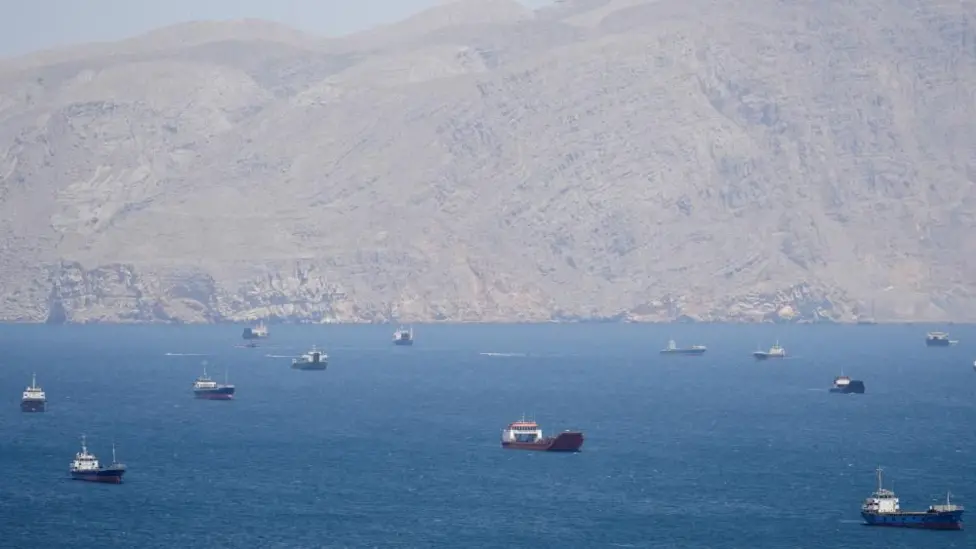
The US naval blockade, enforced since 13 April, has severely restricted traffic through the Strait of Hormuz. US Central Command reported that 45 commercial vessels have been turned away. This vital shipping lane, which normally sees approximately 3,000 ships monthly, now handles only a handful daily, impacting global oil, food, medicine, and technology supplies.
The UN refugee agency, UNHCR, noted that the closure of maritime routes has forced longer, more expensive alternative routes for aid delivery. Aid costs to Sudan, for instance, have doubled due to rerouting around the Cape of Good Hope, adding significant delays. UNHCR warned that persistent instability in the Middle East will further constrain humanitarian operations through rising costs and limited transport capacity.
The conflict began on 28 February, following extensive US and Israeli strikes on Iran, which included targeting a primary school and killing hundreds of civilians, including 110 children, and Iran's Supreme Leader. Iran responded with attacks on Israel and US-allied states. Despite a fragile ceasefire established on 8 April, and Iran submitting a proposal to mediators, US President Donald Trump expressed dissatisfaction, stating, "They're asking for things that I can't agree to." Trump indicated that Iran's leadership, now less centralised following the death of its Supreme Leader, remained