Former British Soldier Hayden Davies Condemns UK Abandonment in Russian Detention
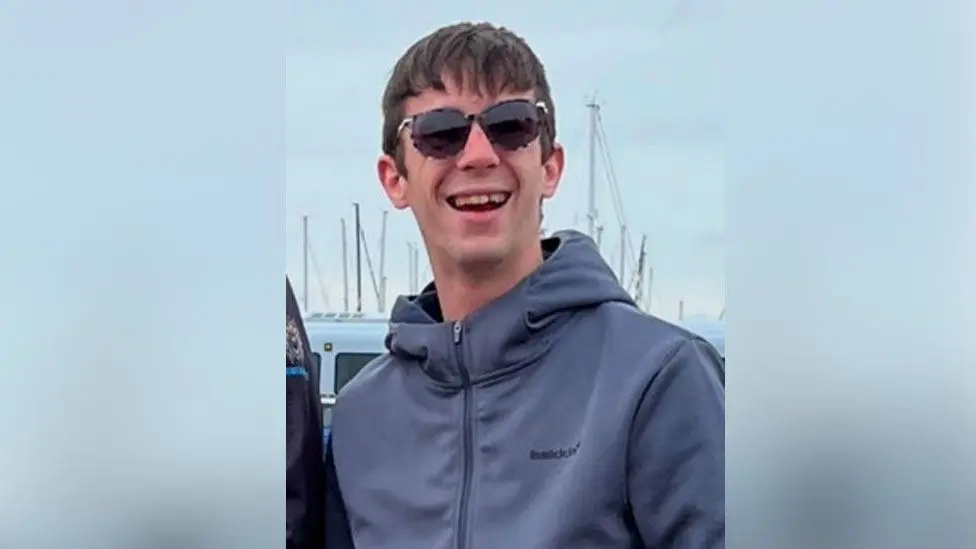
Hayden Davies, a former British soldier held by Russian forces in occupied Ukrainian territory, has expressed feelings of abandonment by the UK government. Davies was captured over 18 months ago after volunteering for the Ukrainian army's foreign legion and was subsequently convicted of 'mercenaryism' by a court in Donetsk, a city under Russian control that the UK does not recognise. His initial 13-year sentence was extended by an additional two years last week by a Moscow judge, bringing his total incarceration to 15 years.
A UK Foreign Office spokesperson stated, "We remain in close contact with Hayden Davies' family and are providing consular support. We strongly condemn the sentencing of Mr Davies in a Russian-controlled court on false charges of mercenaryism." However, Davies alleges a lack of direct contact from British government representatives.
In letters from detention, Davies details his capture, explaining he sustained severe injuries on the front line. He recounts crawling for a day with protruding bones from his leg before finding refuge in a ruined house, where he self-treated his wounds for two months before Russian soldiers discovered him. Davies claims he was held in solitary confinement for a year before being moved to a cell with other prisoners, and has received minimal communication from his family.
Anastasia Shevchenko, a political activist assisting prisoners in Russian captivity, informed British authorities of Davies' situation last year. She asserts that the response from British embassies in Ukraine and Lithuania amounted to little more than well-wishes, noting other nations provide more substantive support to their detained nationals. Shevchenko also supplied Davies with funds for food and supplies, citing inadequate provisions in the prison.
Official British diplomatic access to detainees in Russia is frequently denied, and officials cannot enter occupied Ukrainian territory. All correspondence with Russian prisoners is subject to censorship. Human rights organisations have consistently accused Russia of denying appropriate medical treatment to prisoners of war and detainees, a charge Moscow denies. The International Red Cross reports limited access to prisoners in Russia and Russian-controlled areas, violating Geneva Convention stipulations.
A Ukrainian government source indicated no awareness of "active work" by UK authorities to assist imprisoned citizens. Shaun Pinner, another former British soldier previously captured and sentenced to death by a Russia-controlled court, was freed in a Saudi-brokered prisoner exchange in 2022. Pinner stated the UK government was "exceptionally good at keeping in contact with my family" but played no direct role in his release, suggesting government involvement in such exchanges is challenging. The Foreign Office advises British nationals against fighting in Ukraine, warning of potential prosecution upon return and severely limited government support if captured or killed.