Former Nigerian Oil Minister Diezani Alison-Madueke Cleared of Bribery Charges in London Trial
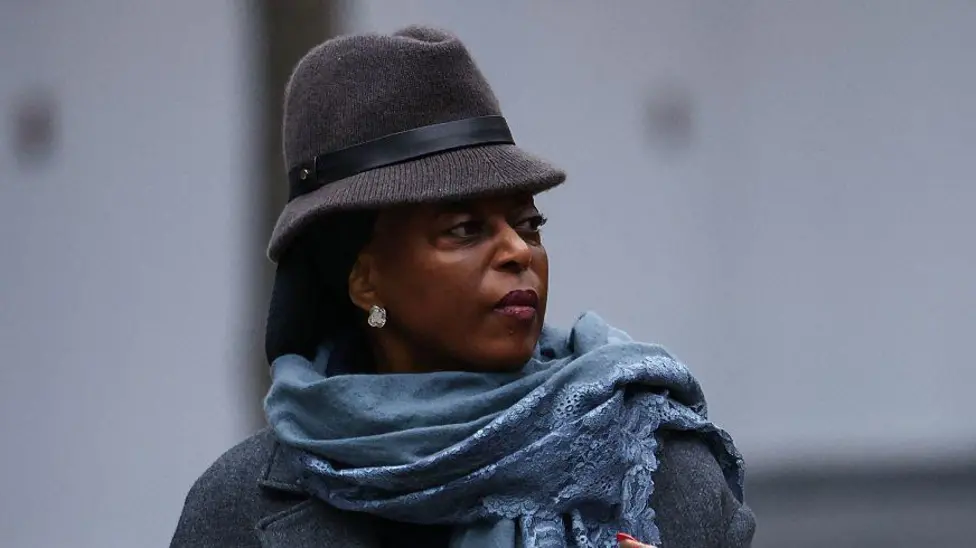
Diezani Alison-Madueke, 65, the former Nigerian oil minister and first female president of OPEC, has been cleared of five counts of accepting bribes and one charge of conspiracy to commit bribery. A jury at London's Southwark Crown Court delivered the not guilty verdict, concluding a prolonged investigation by the National Crime Agency (NCA).
The NCA's 13-year probe into one of Africa's most prominent political figures ended with defence lawyers successfully arguing against the fairness of the prosecution's case. They highlighted missing documents from Nigeria vital to Alison-Madueke’s defence and criticised the significant delay in bringing the case to trial, labelling it a failure of Britain's criminal justice system.
Acquittals Extend to Co-Defendants
Alison-Madueke's brother, Doye Agama, 69, an archbishop, was acquitted of conspiracy to commit bribery. Oil industry executive Olatimbo Ayinde, 54, was also found not guilty of bribery and bribery of a foreign public official, despite having acted as an informant in a Nigerian anti-corruption inquiry.
During the trial, prosecutors alleged Alison-Madueke allowed powerful oil executives, who held lucrative government contracts, to fund her extravagant lifestyle in exchange for favour. However, the prosecution failed to provide evidence directly linking awarded contracts to specific bribes. Alison-Madueke maintained she never sought or accepted bribes, stating that many luxury items were not for her and that she had merely advised on interior design for the oil men's properties.
Unanswered Questions Undermine Prosecution
A central tenet of the defence was the claim that Nigerian ministers operating overseas were prohibited from holding foreign bank accounts, necessitating reliance on wealthy businessmen for living expenses. Alison-Madueke asserted that these funds were always reimbursed in Nigeria, with supporting evidence allegedly seized from her Abuja home but never produced by Nigerian authorities.
The defence further questioned why the Nigerian government had not pursued its own prosecution against Alison-Madueke and why the six oil executives, purportedly involved in paying bribes, had not been extradited or charged. The jury was not given an explanation for these omissions. Doubts were also cast on the NCA’s reliance on evidence gathered by Nigeria’s Economic and Financial Crimes Commission (EFCC), particularly given the prosecution’s contradictory advice to the jury regarding the EFCC’s evidence for co-defendant Olatimbo Ayinde.
Following the verdict, Alison-Madueke described the outcome as the end of an 11-year